


- CUTEK® Extreme is a clear penetrating oil that lets wood weather into a silvery patina without a Colortone added.
- Adding a Colortone preserves the freshly oiled look, but color retention timelines vary based on many factors.
- Roughing up new wood surfaces before coating improves pigment absorption and produces more durable, saturated color results.
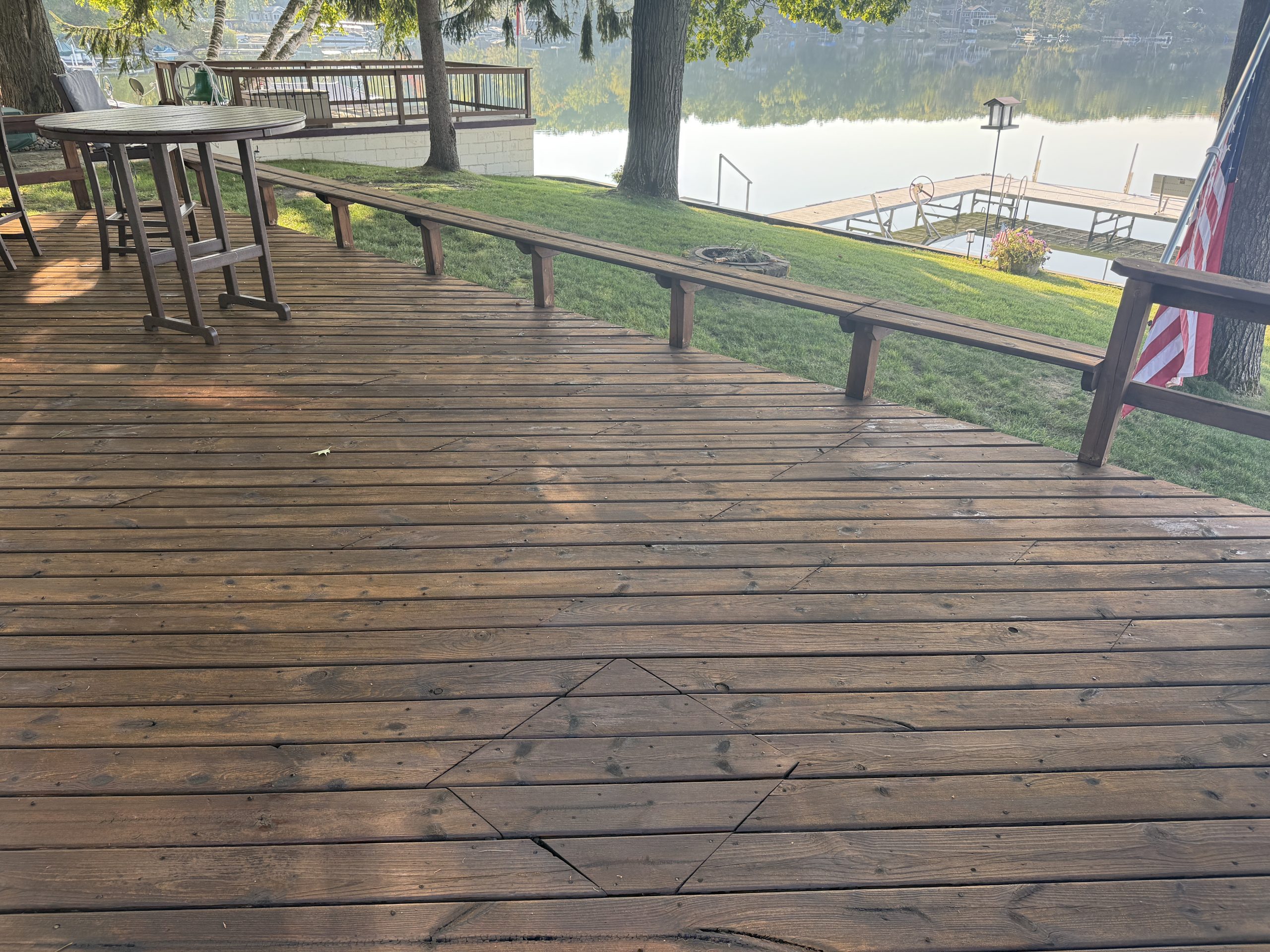
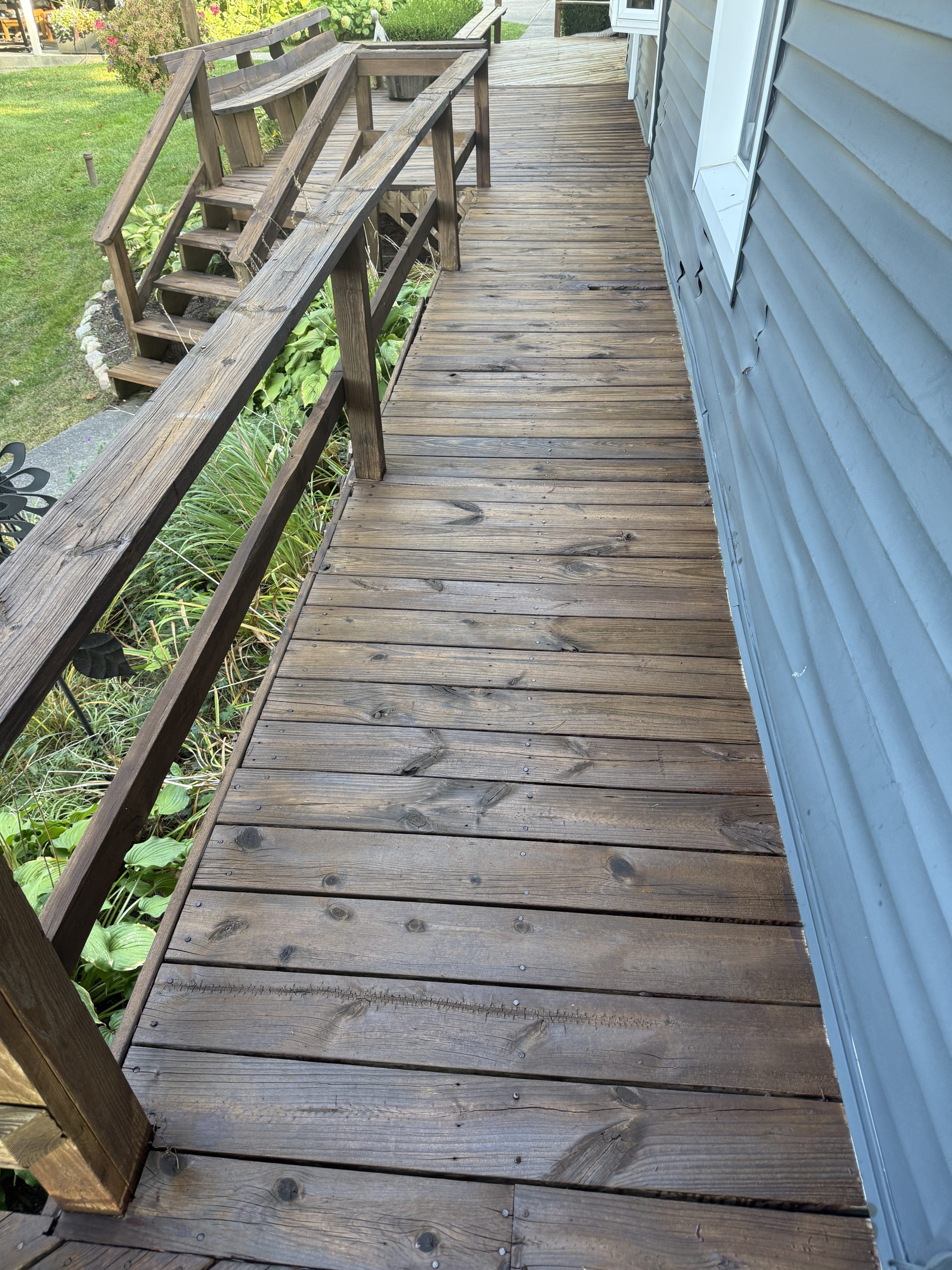
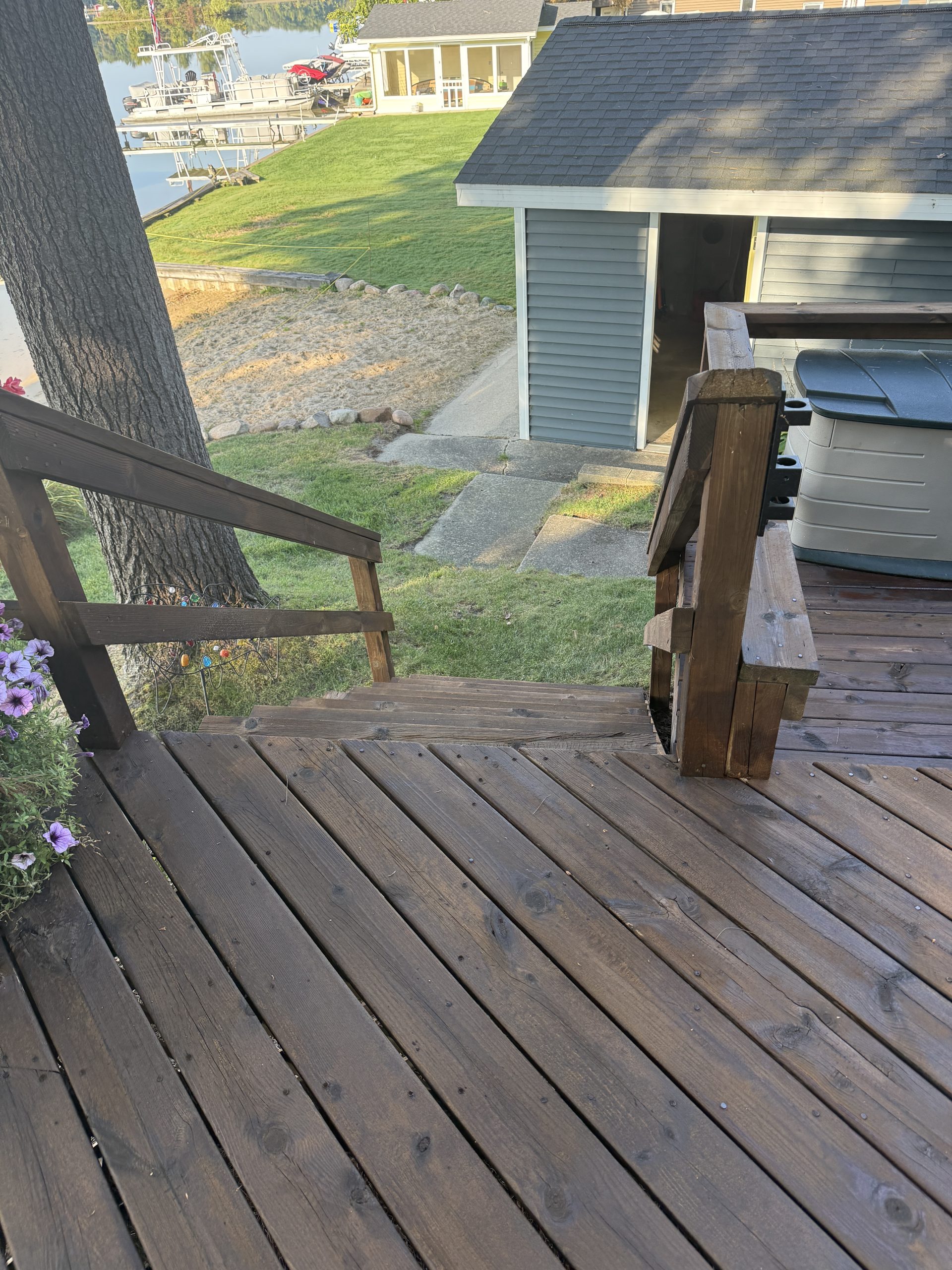
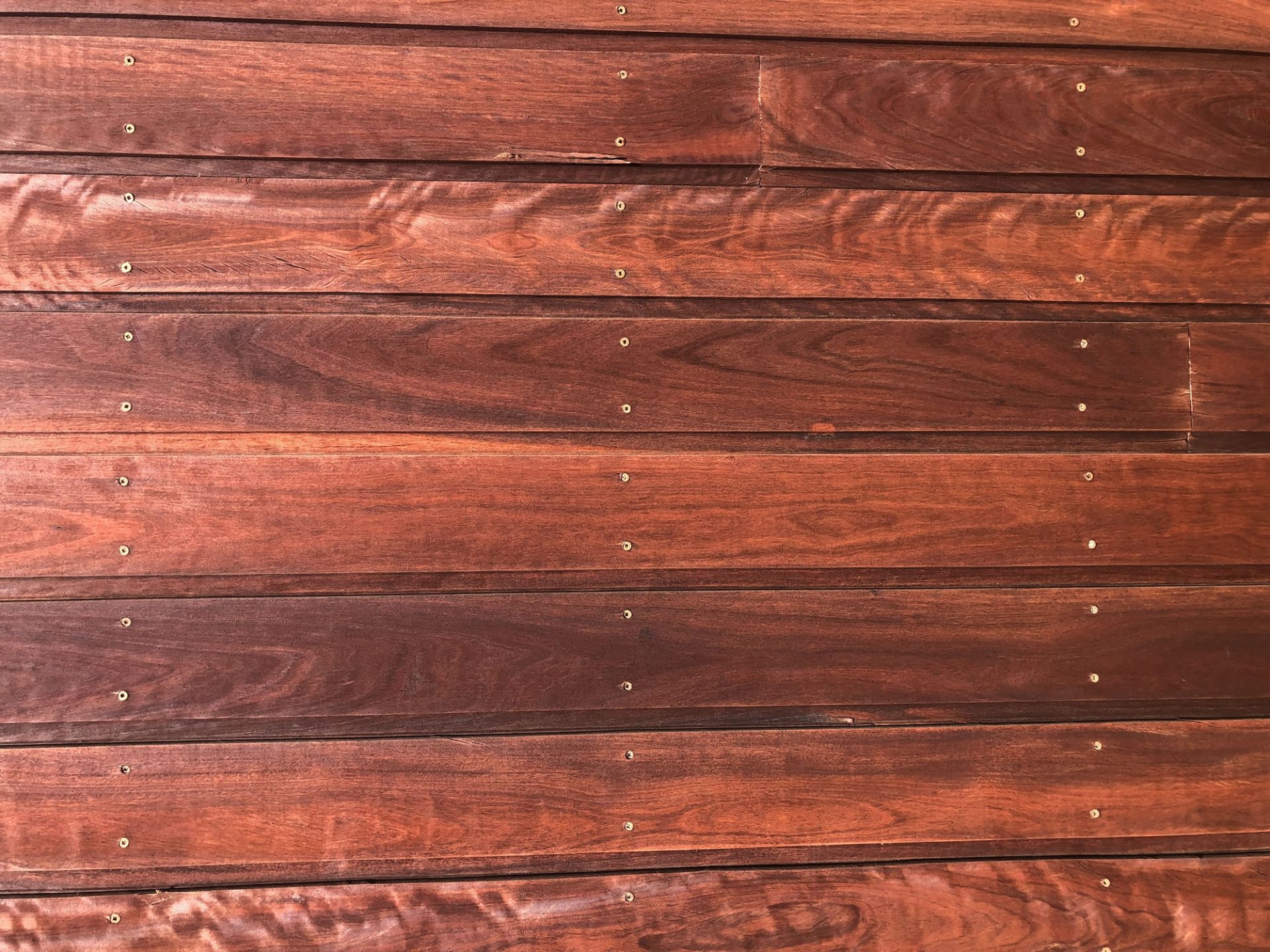
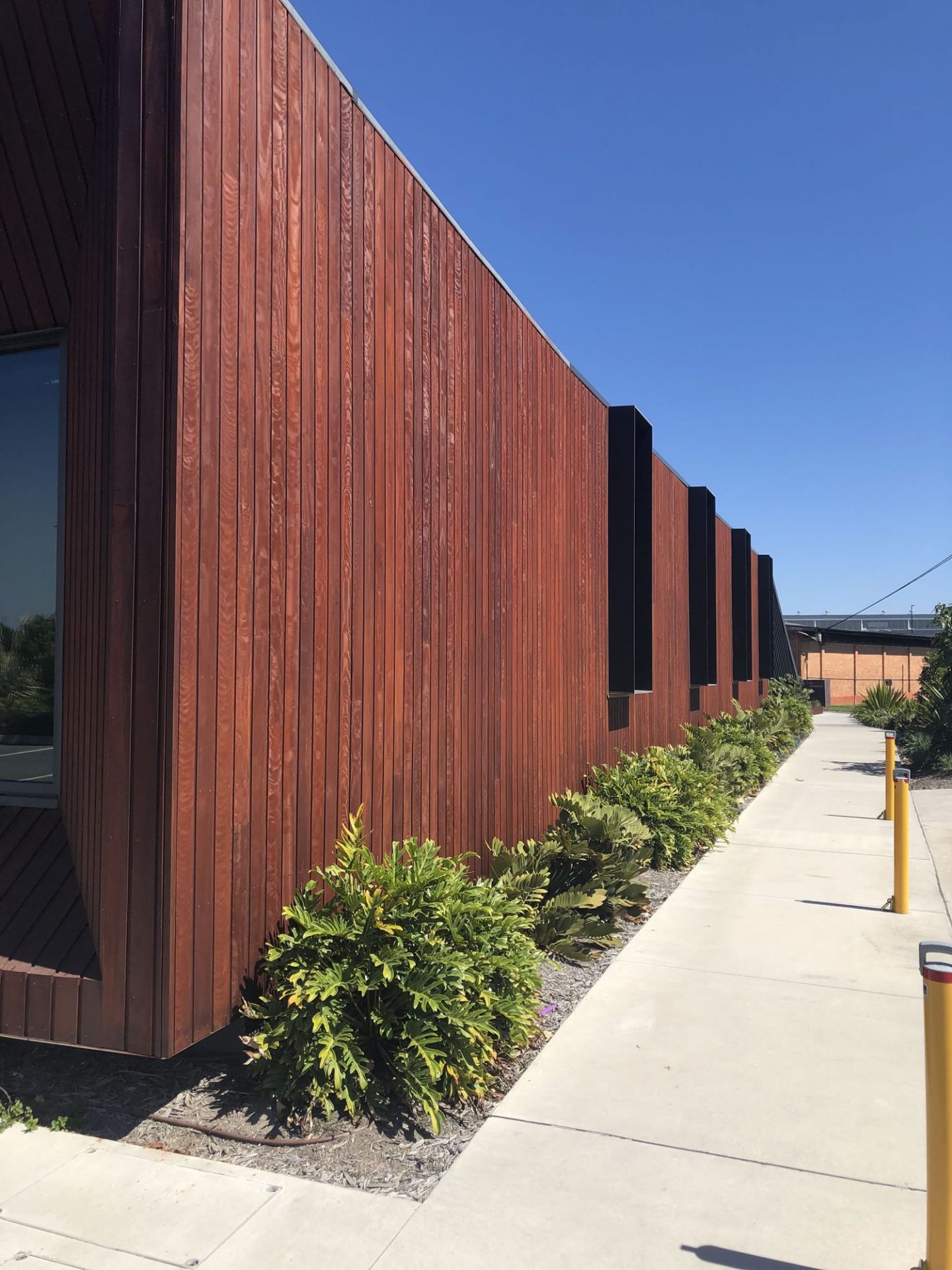
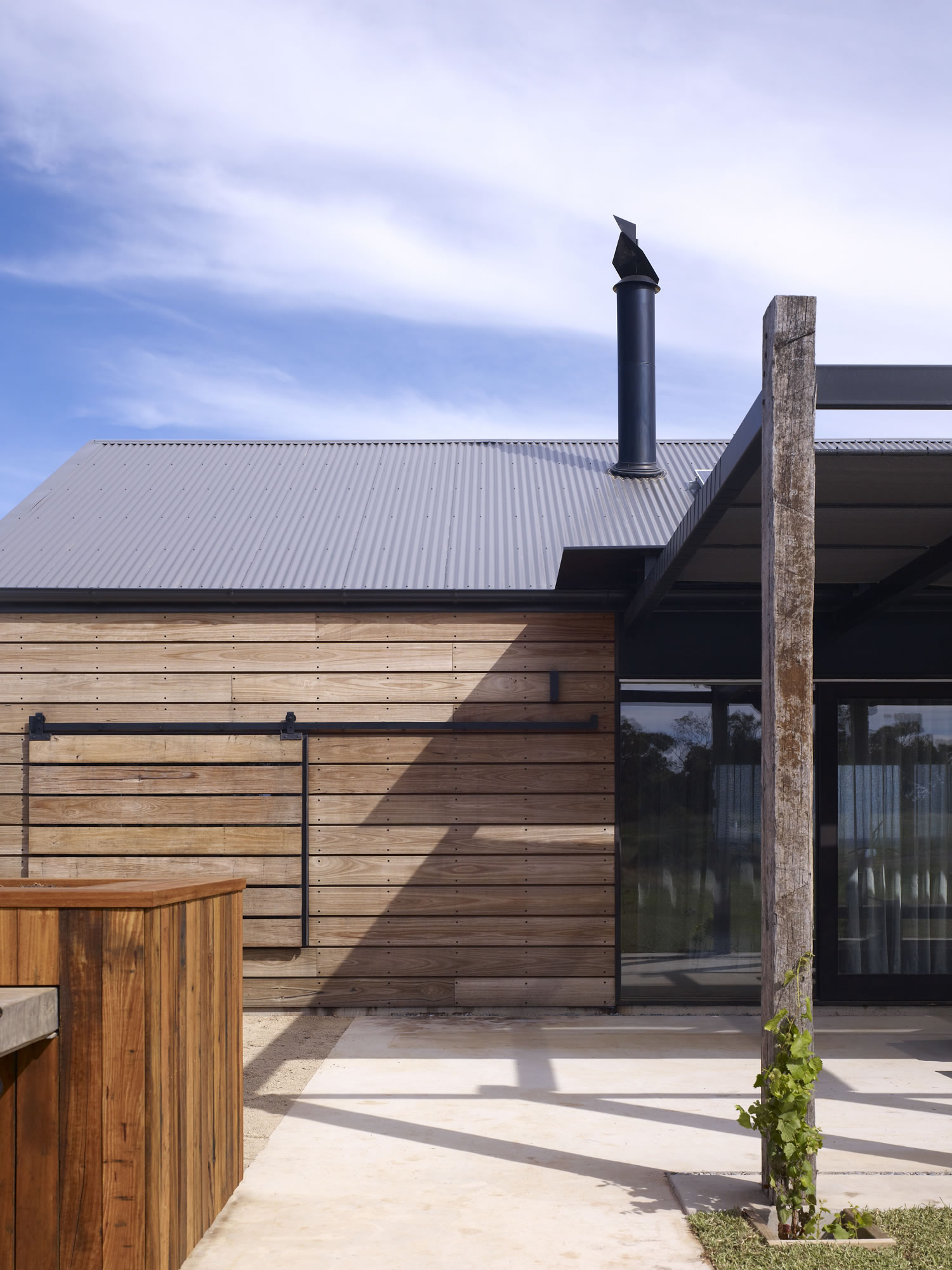
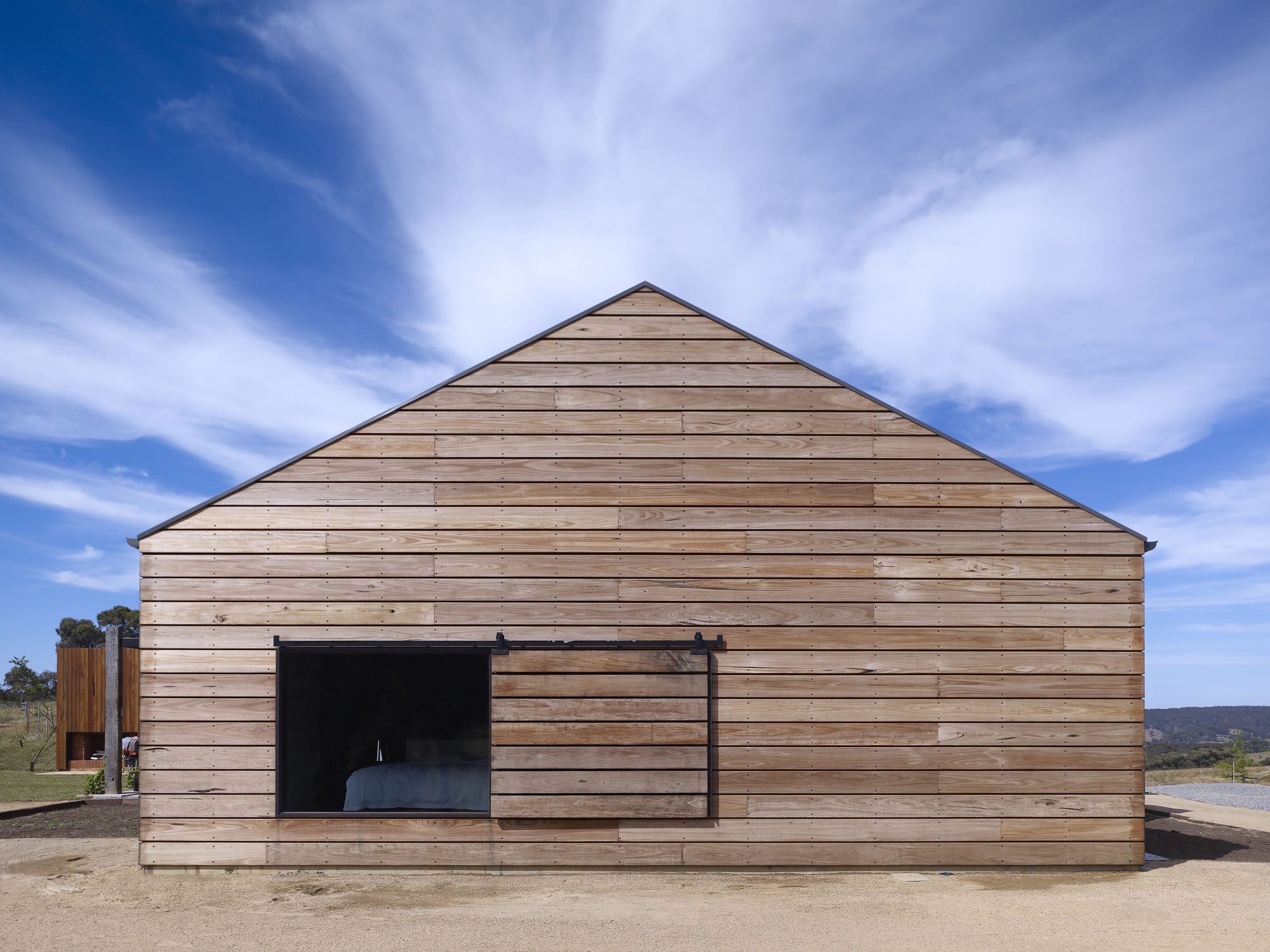
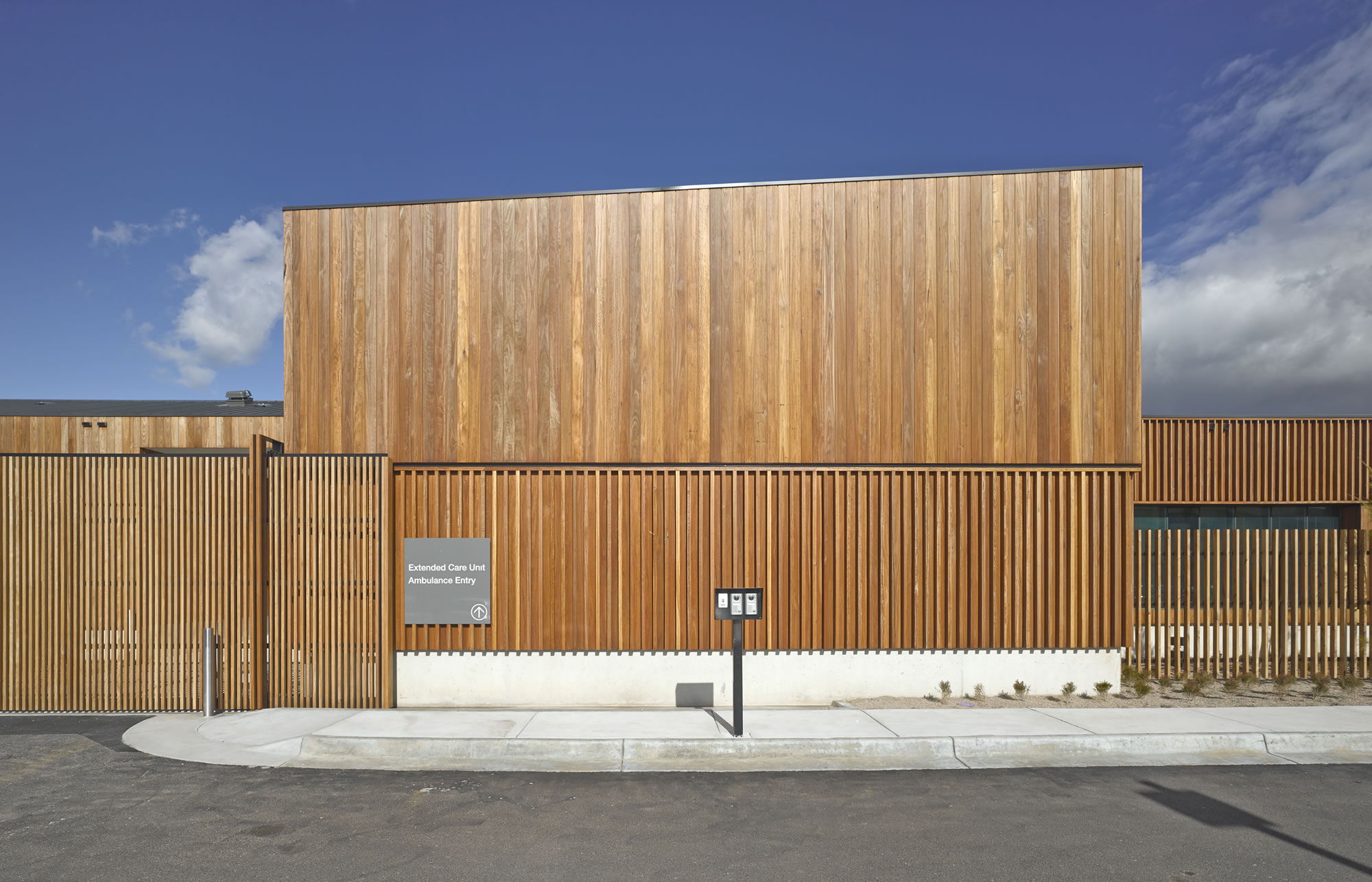
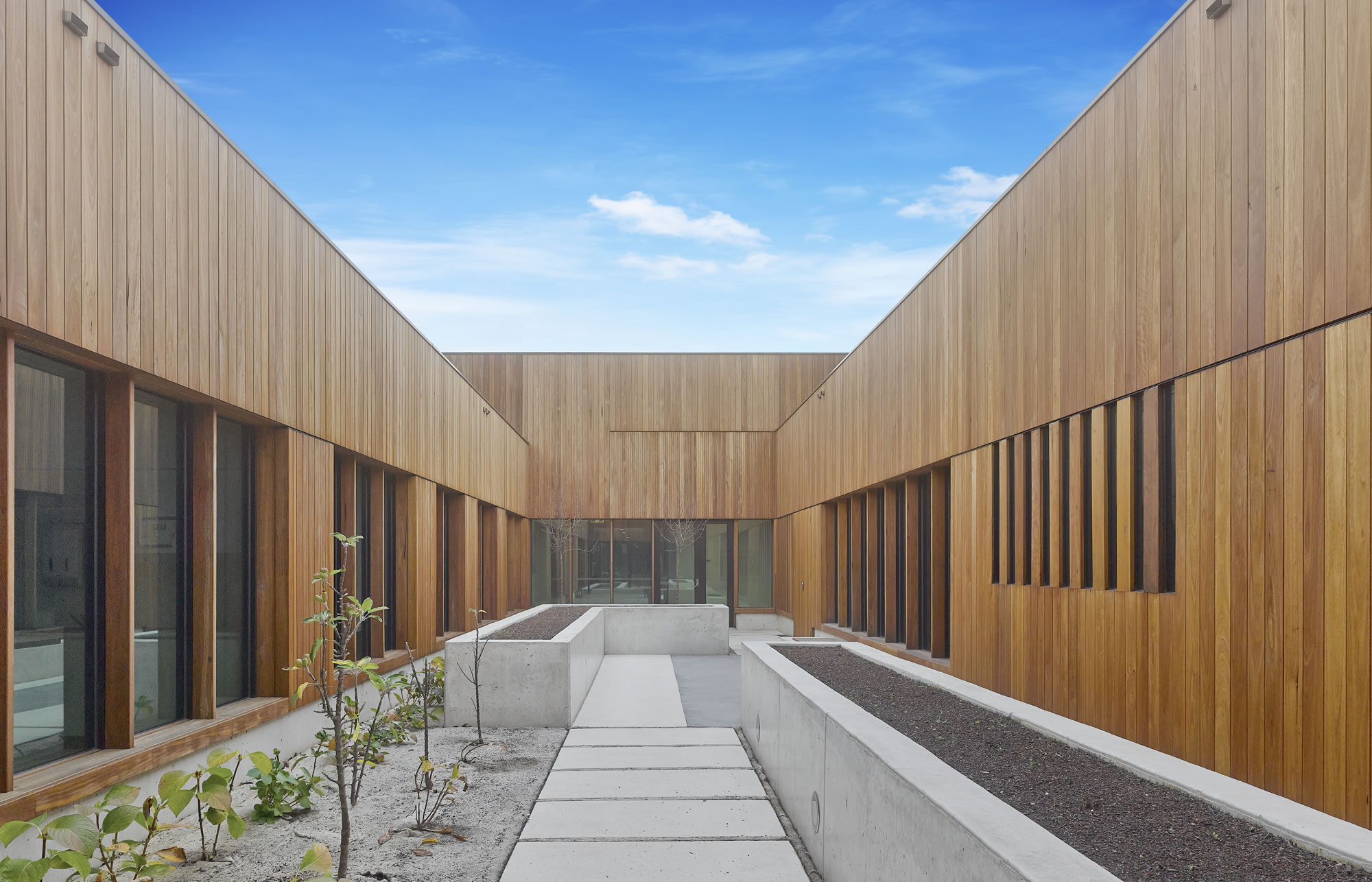
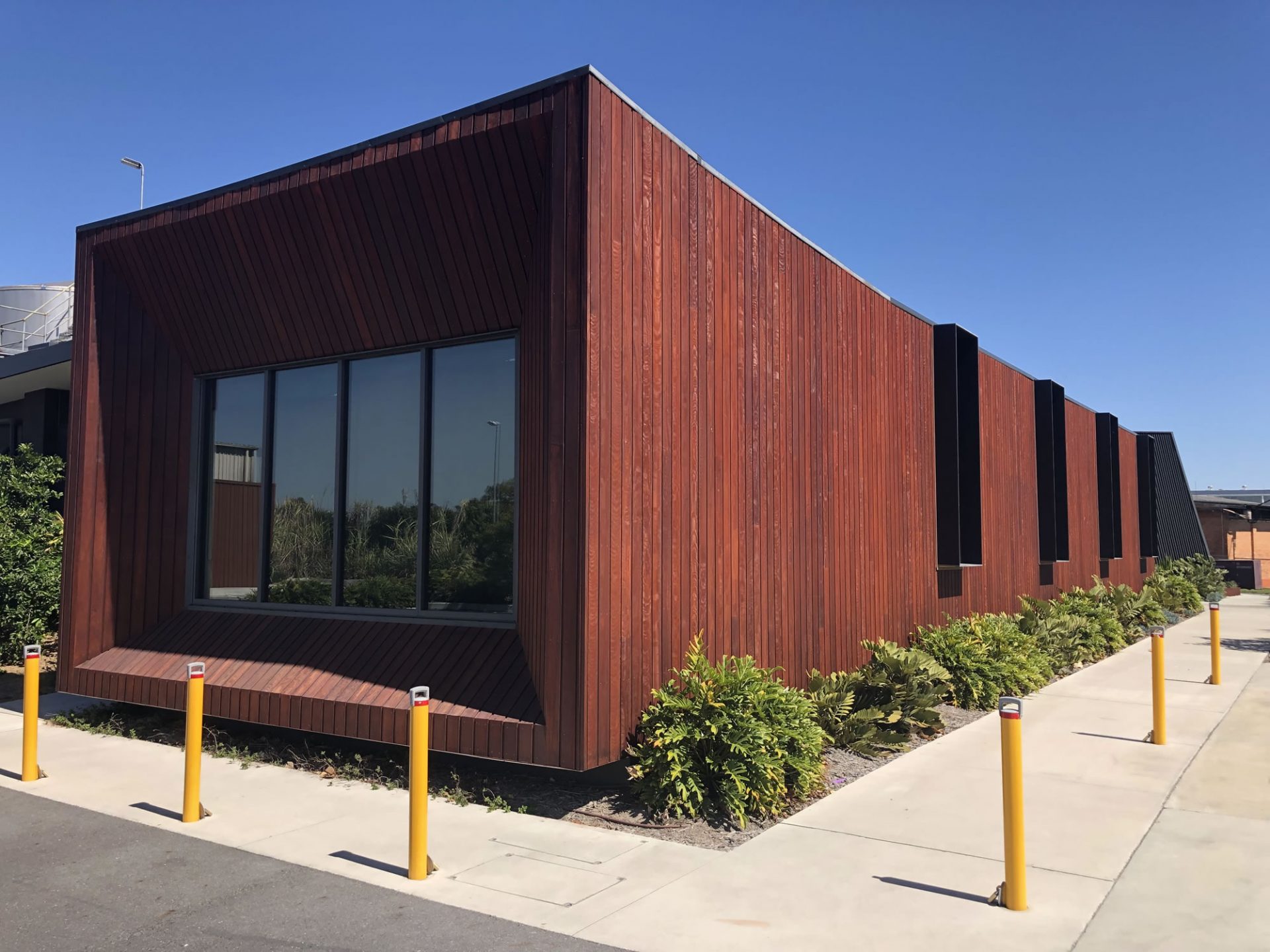
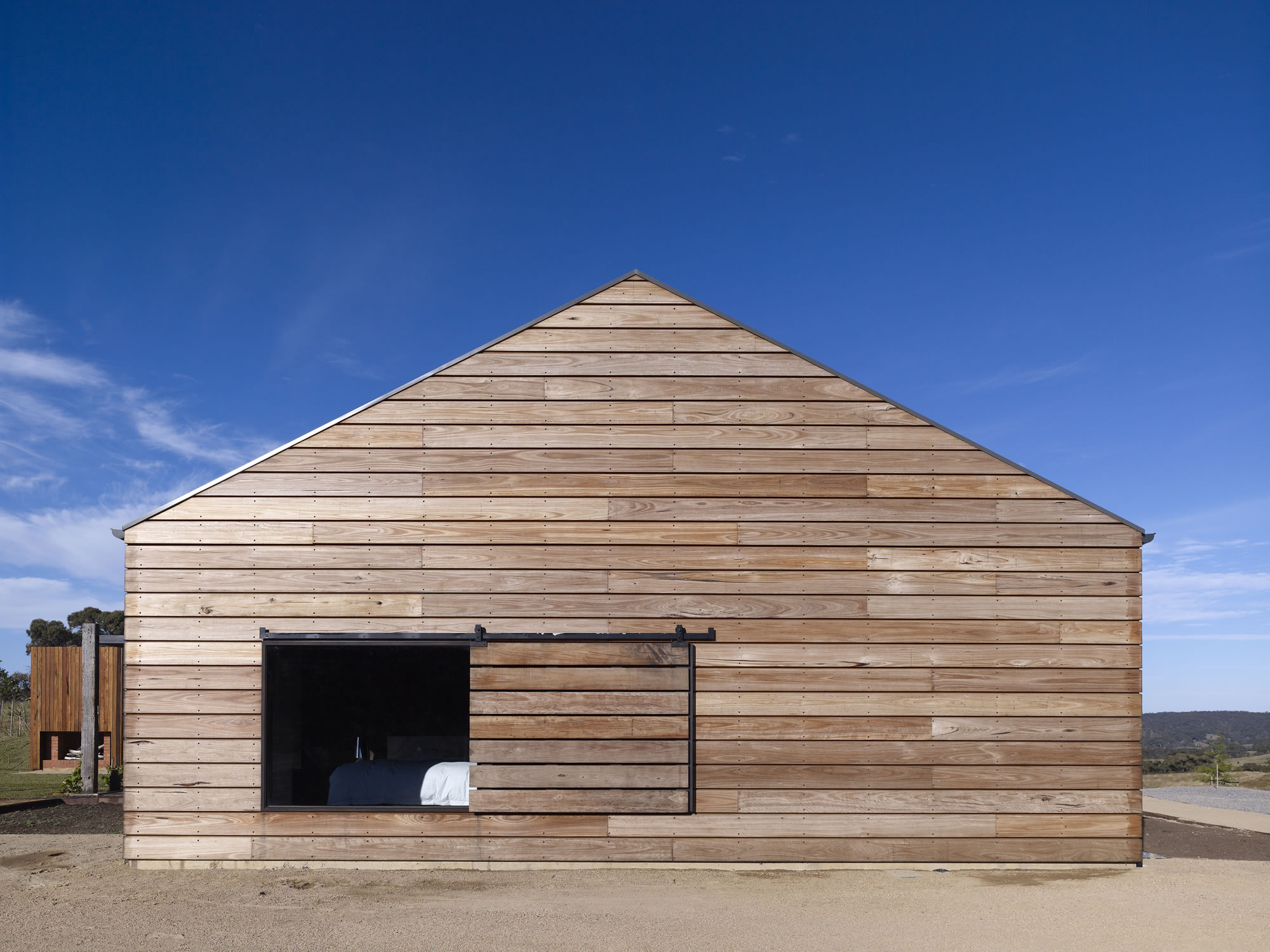
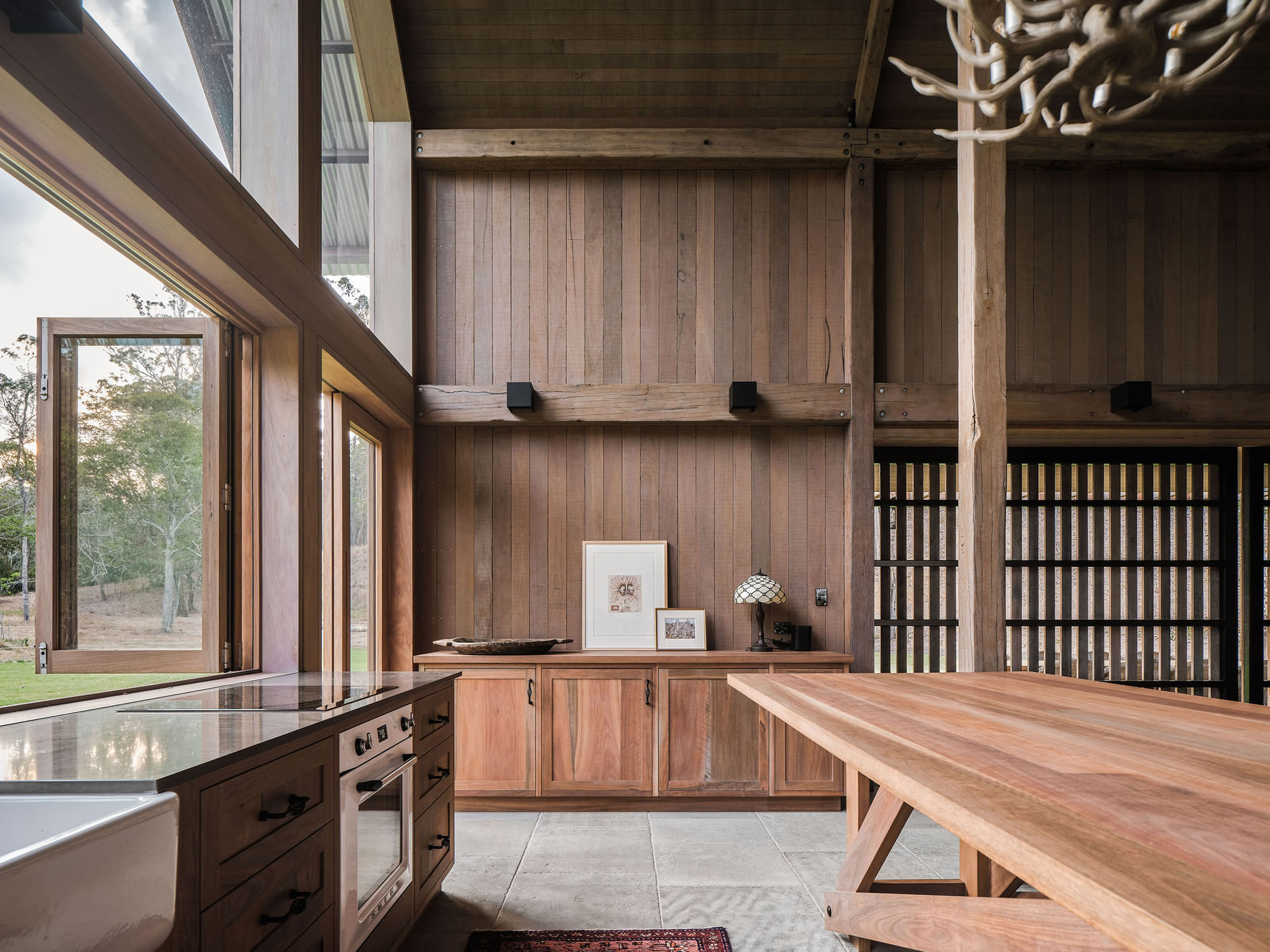
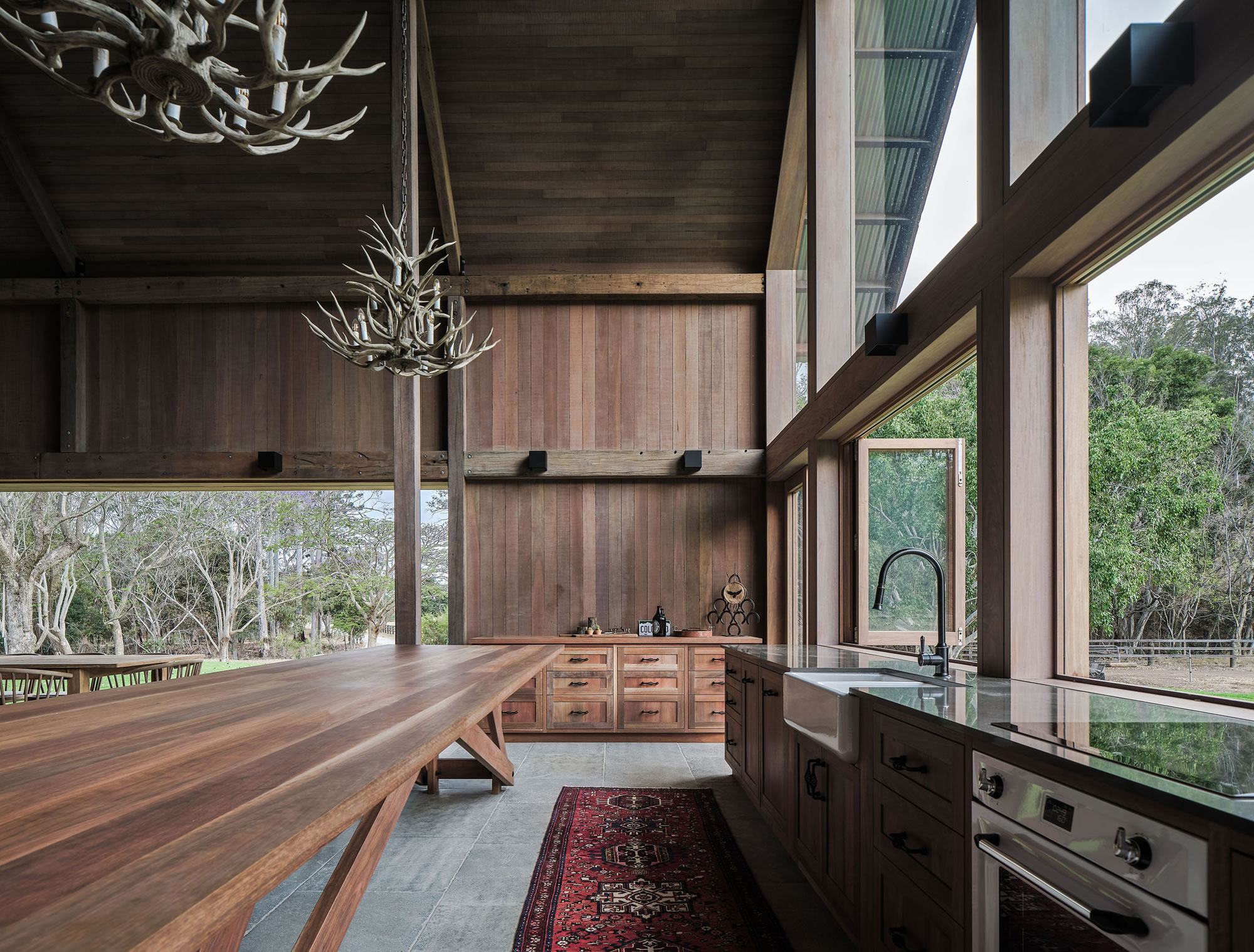
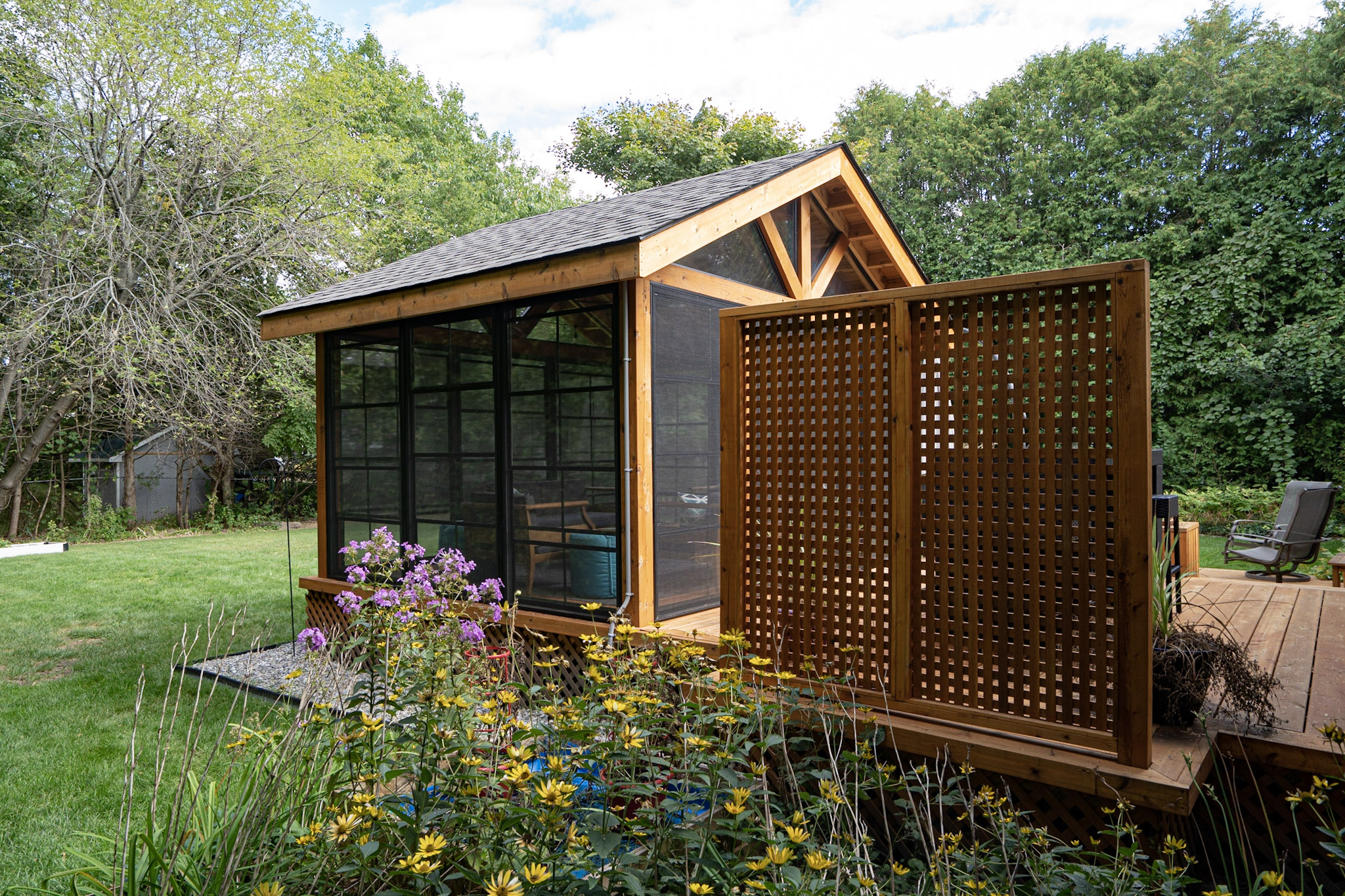
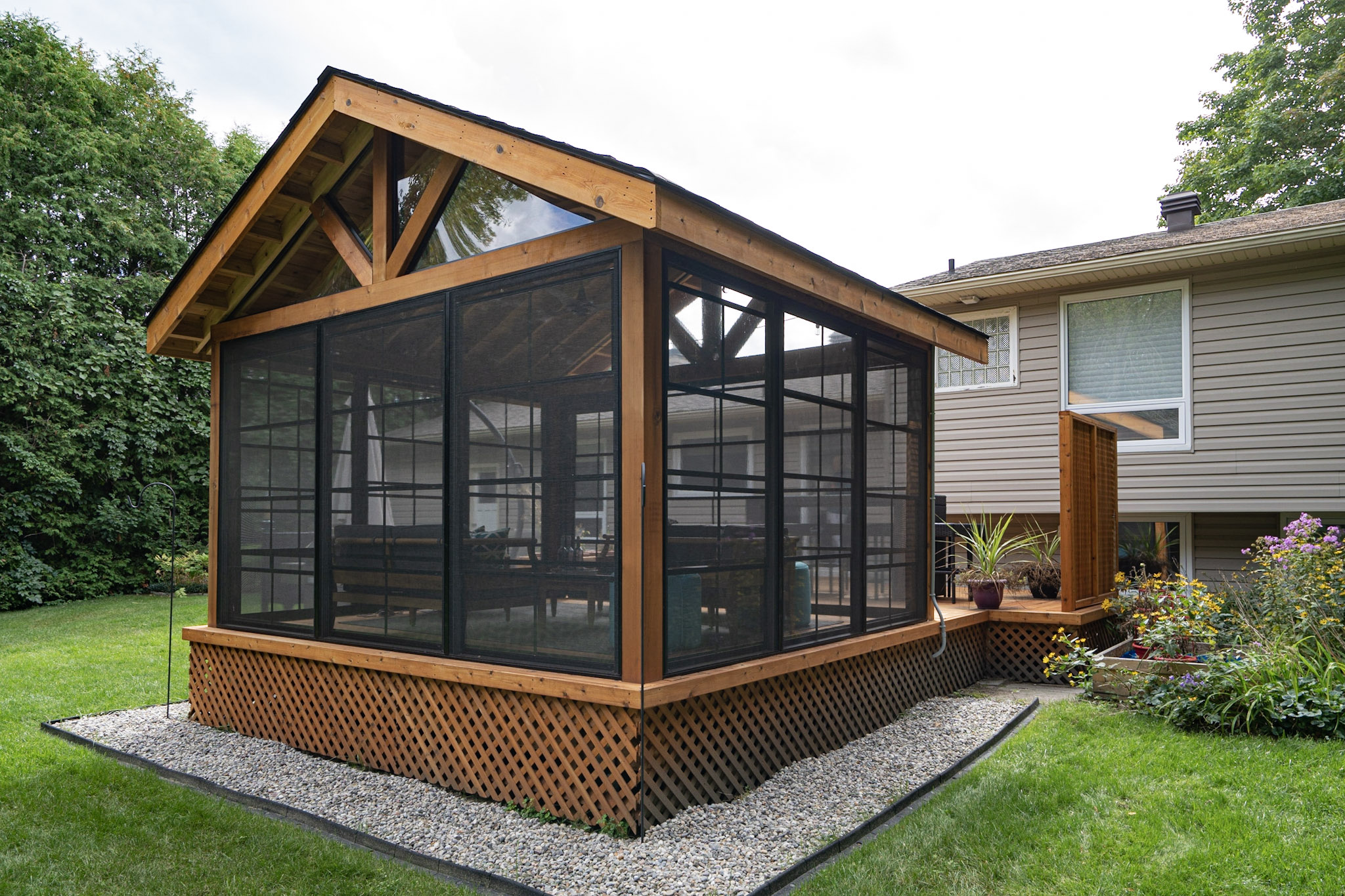
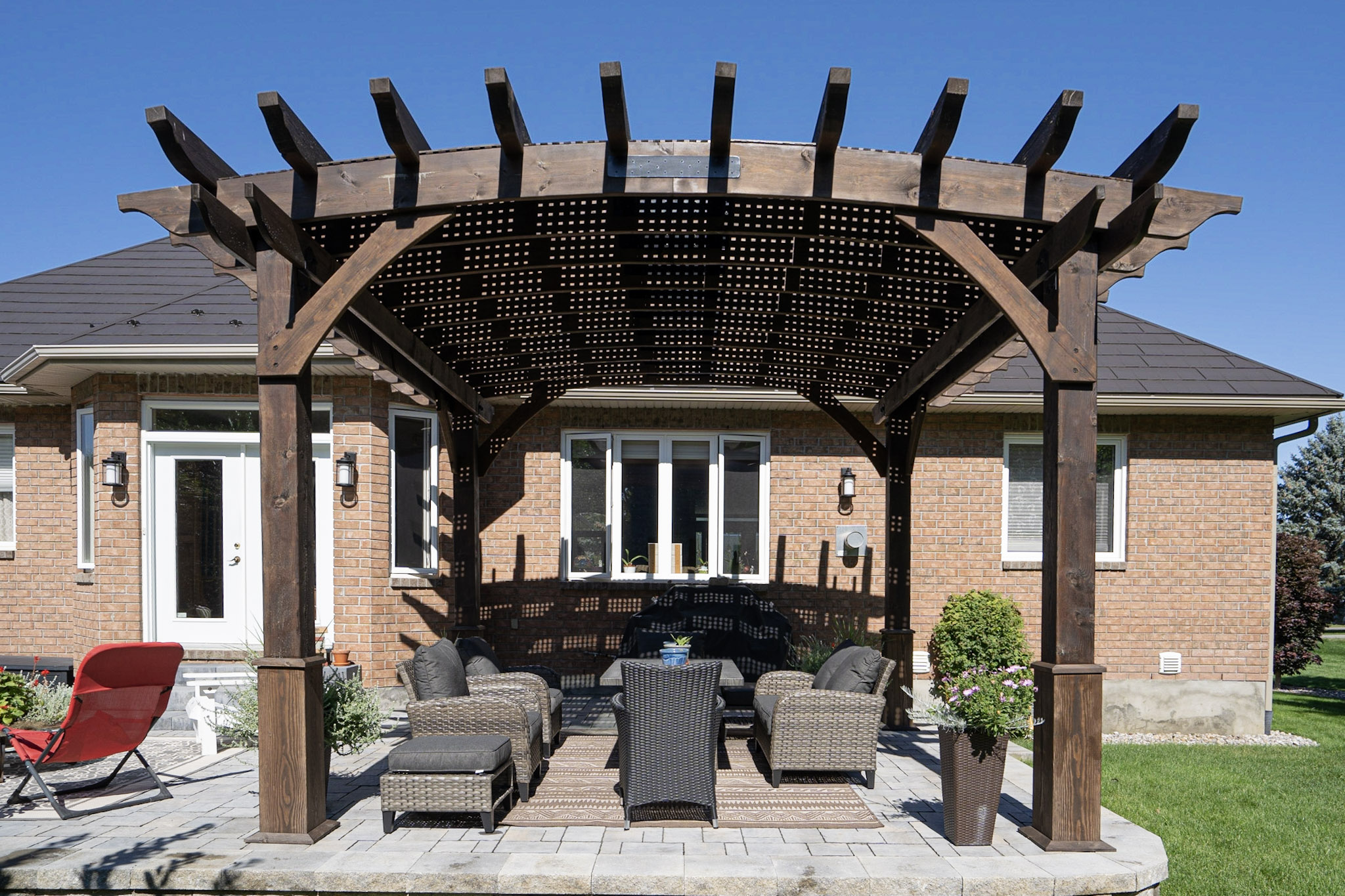
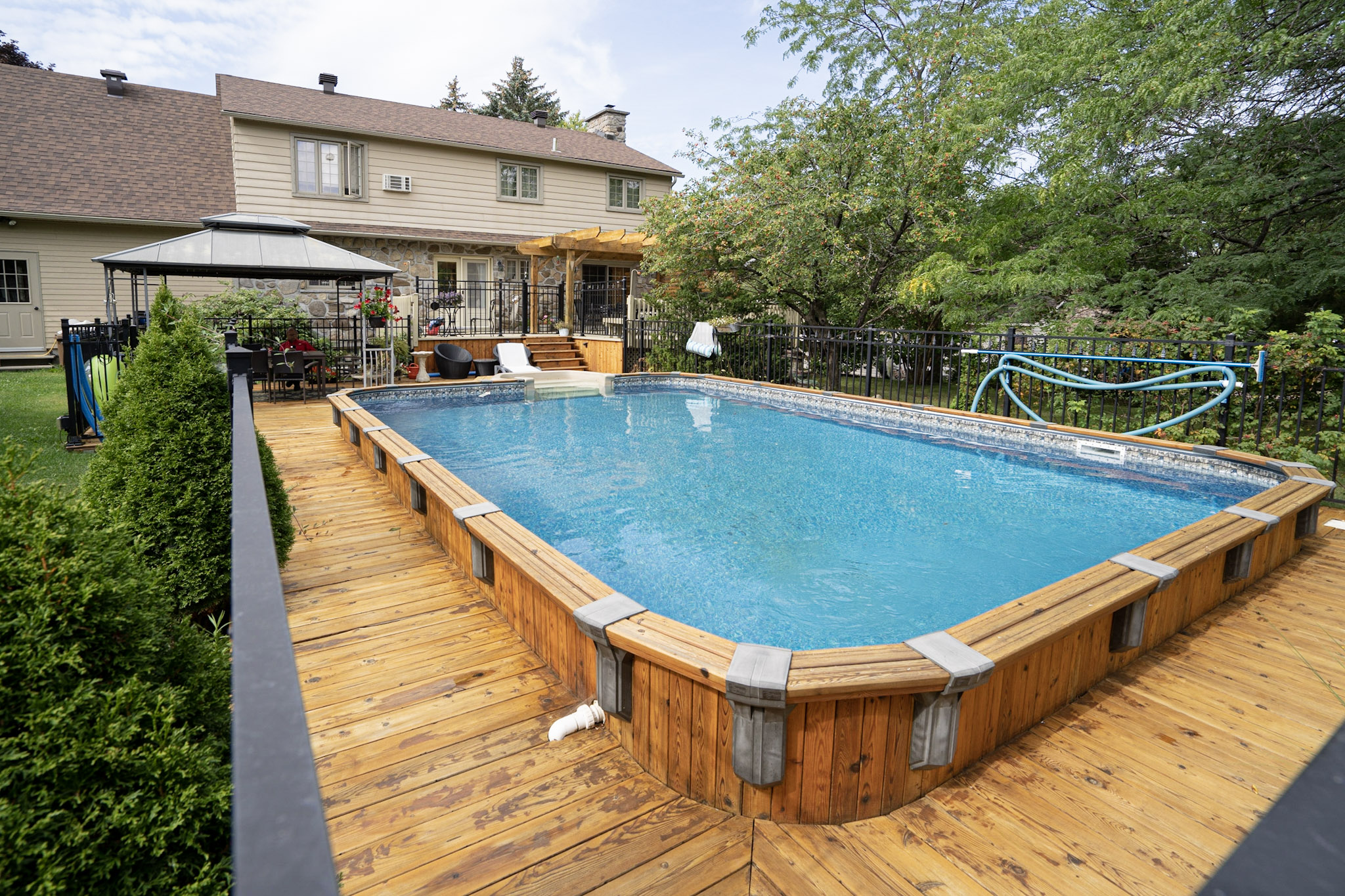
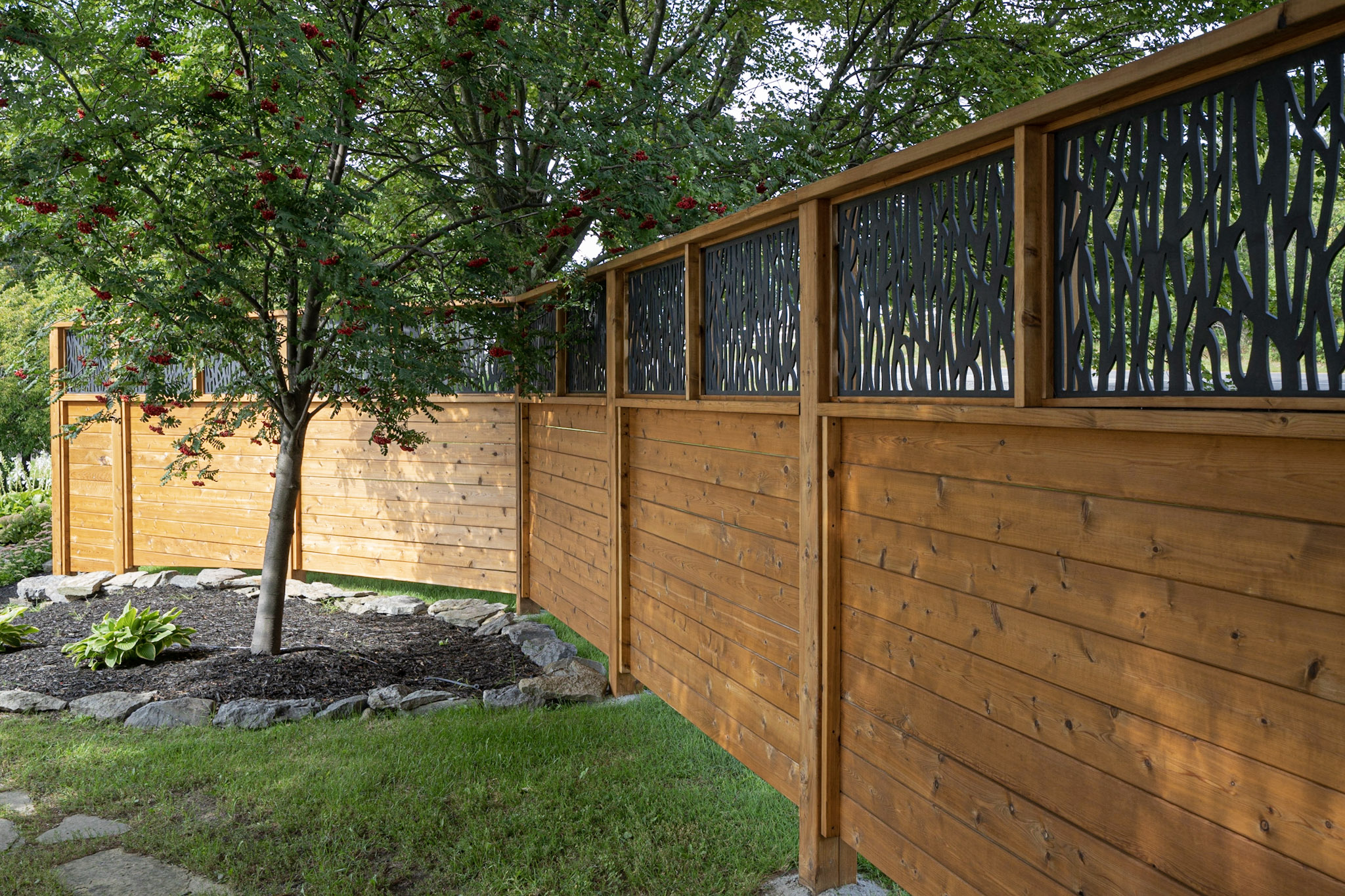
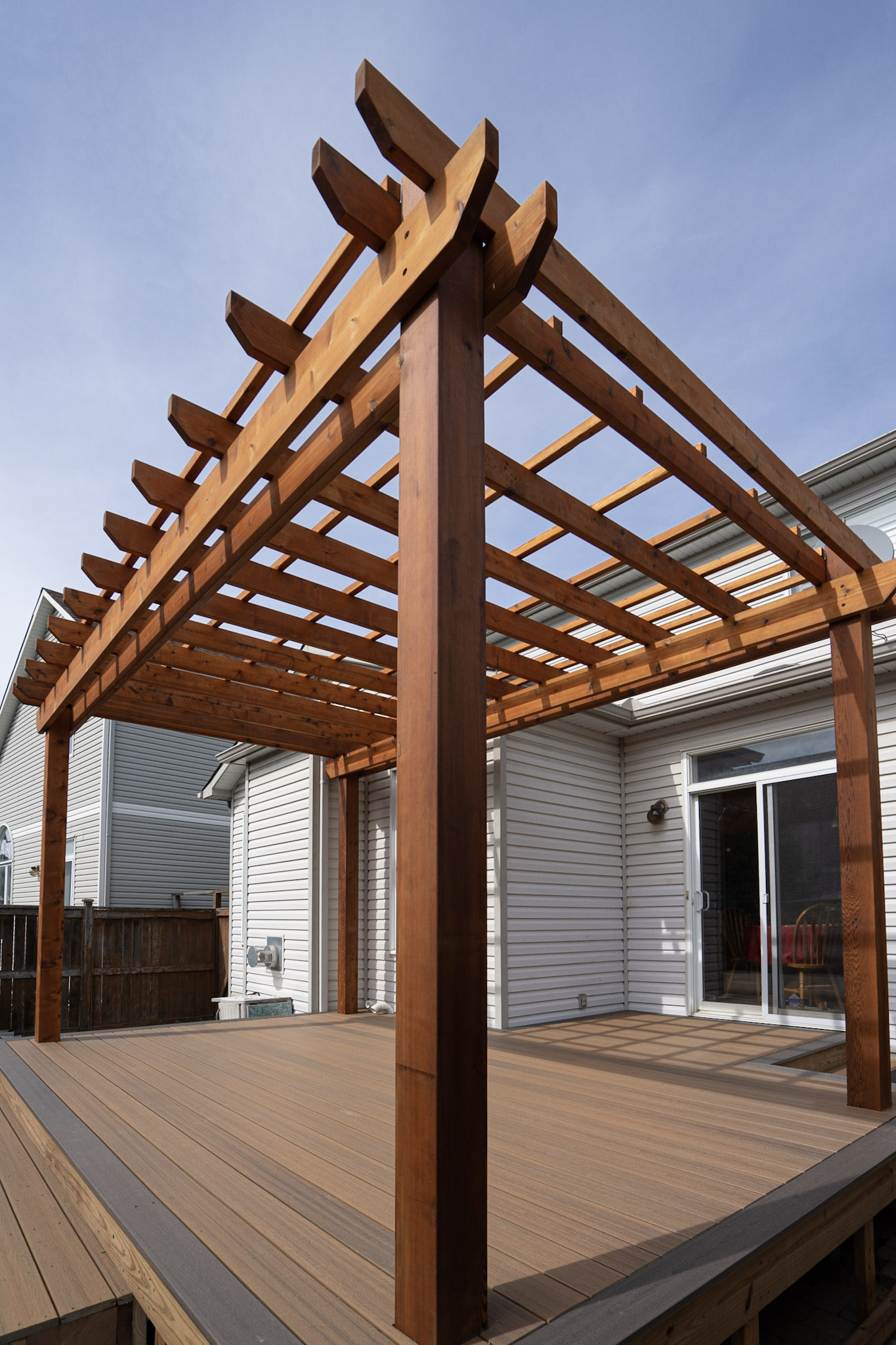
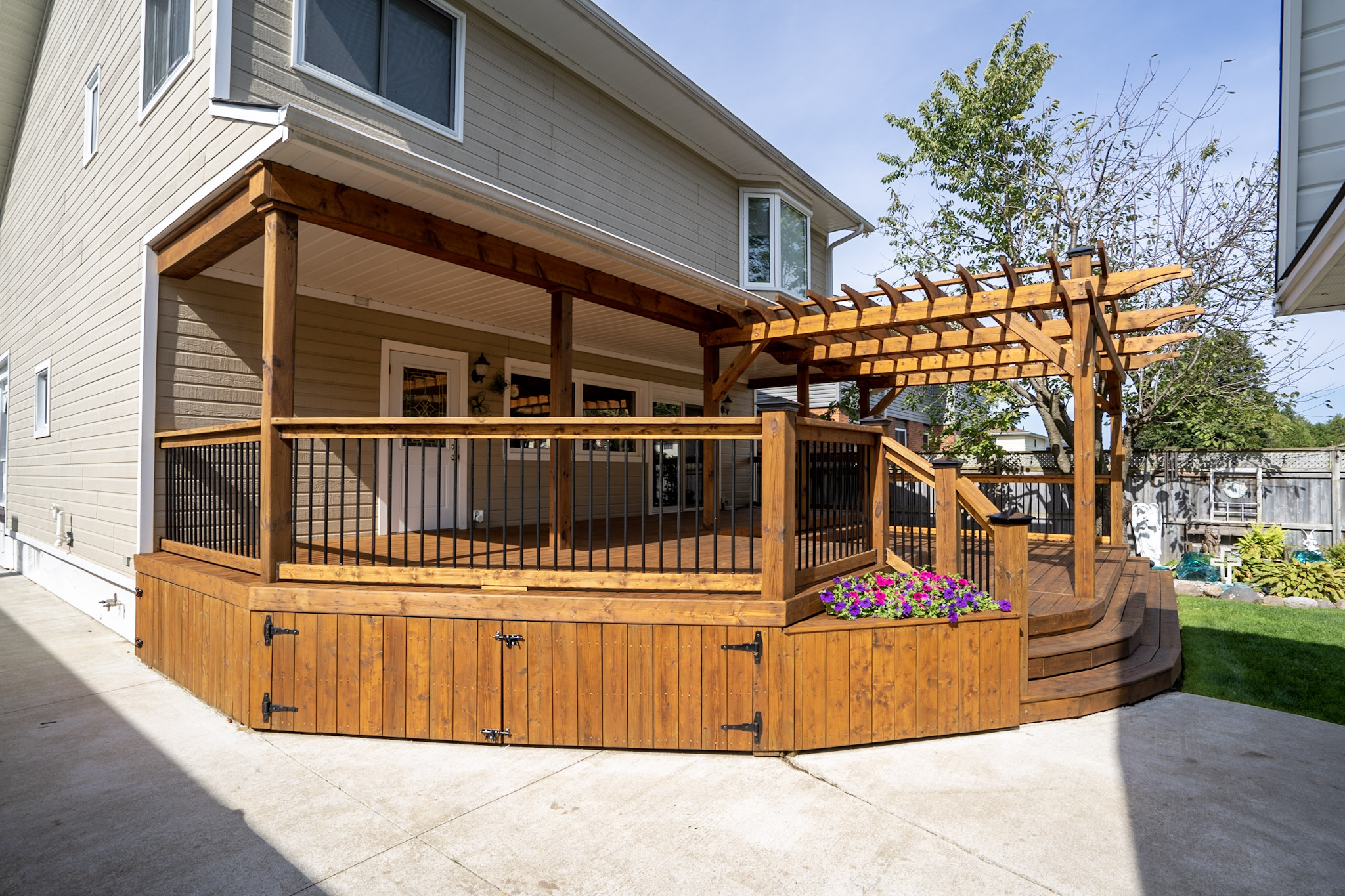
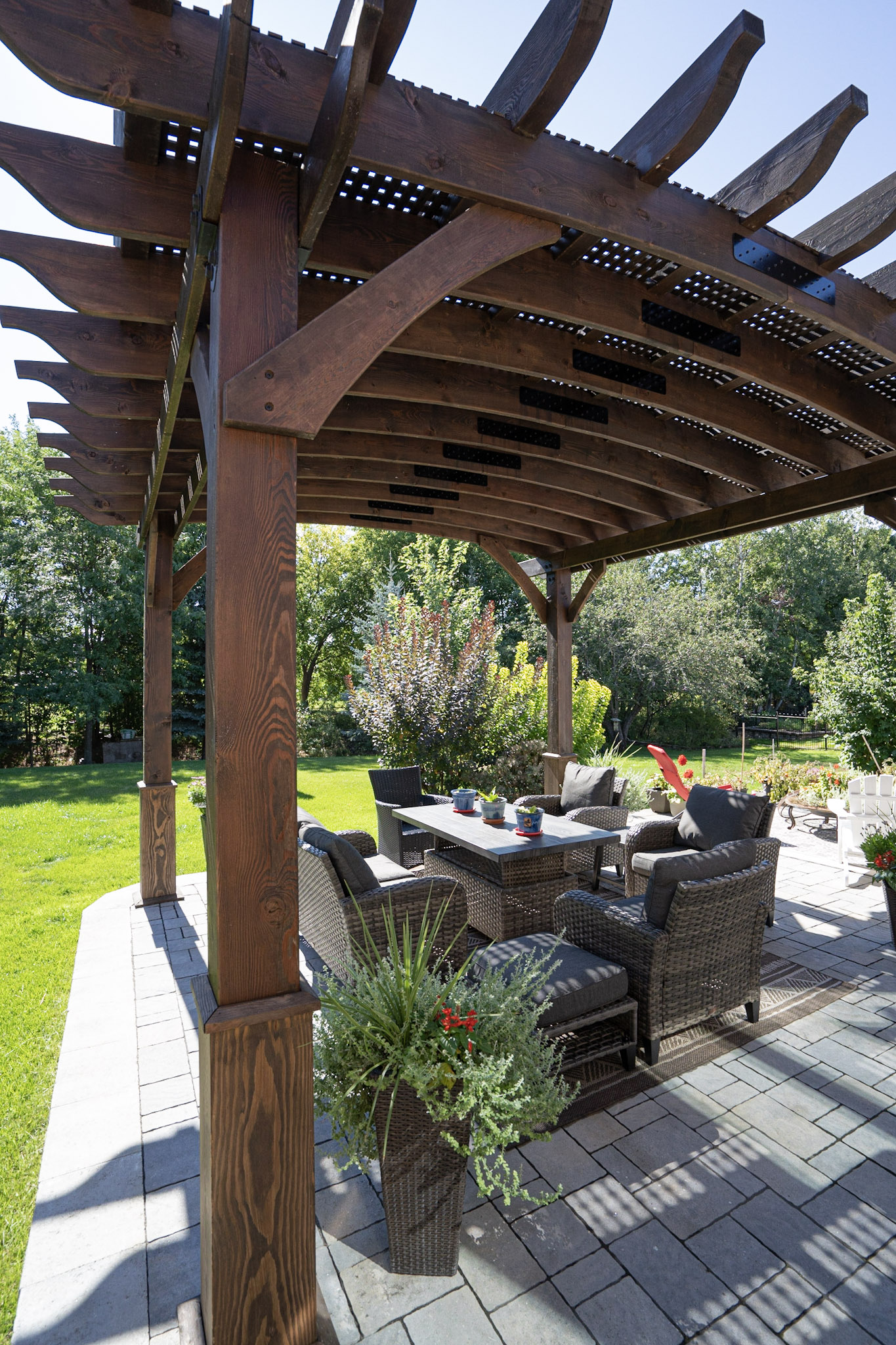
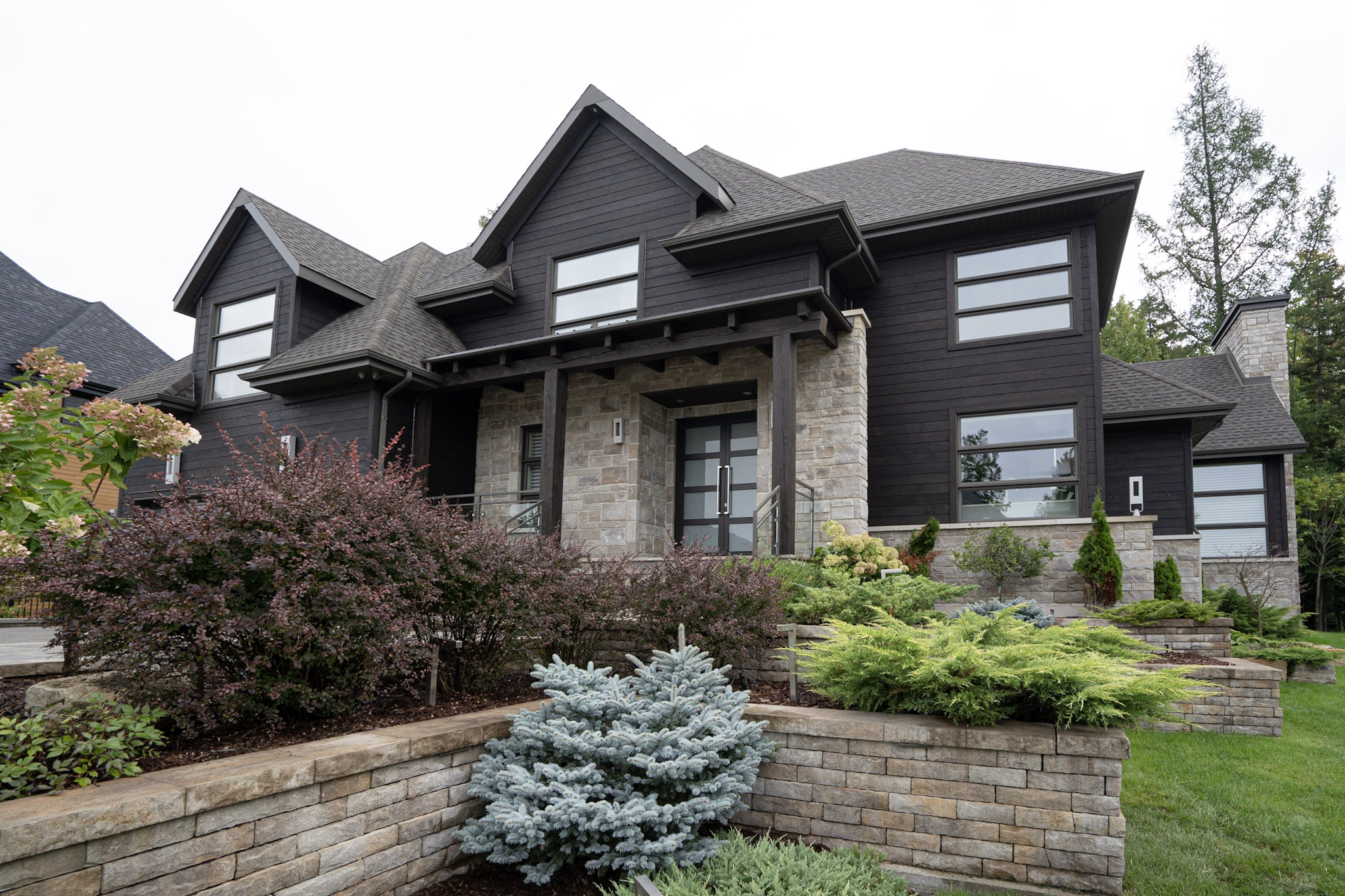
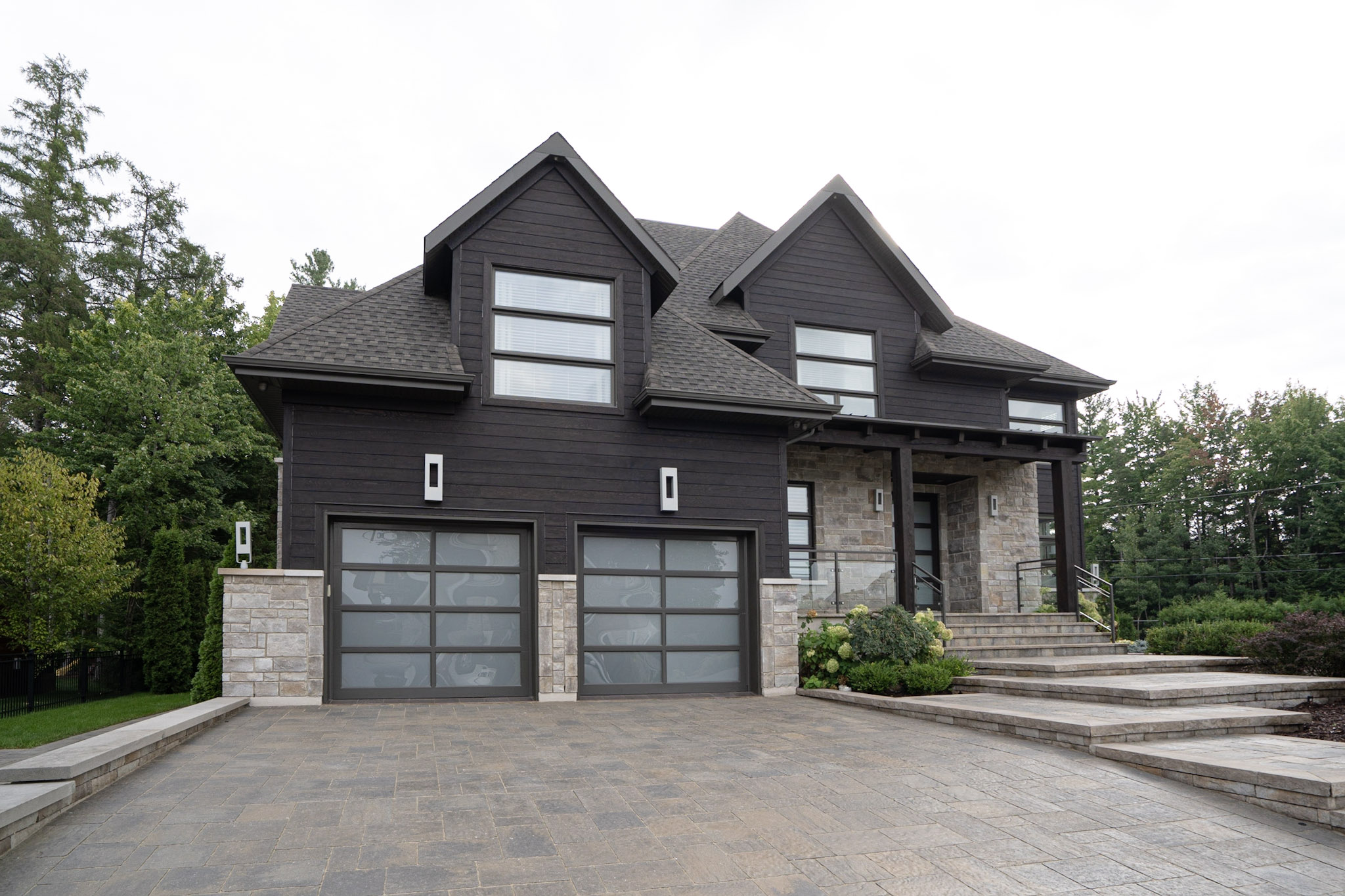
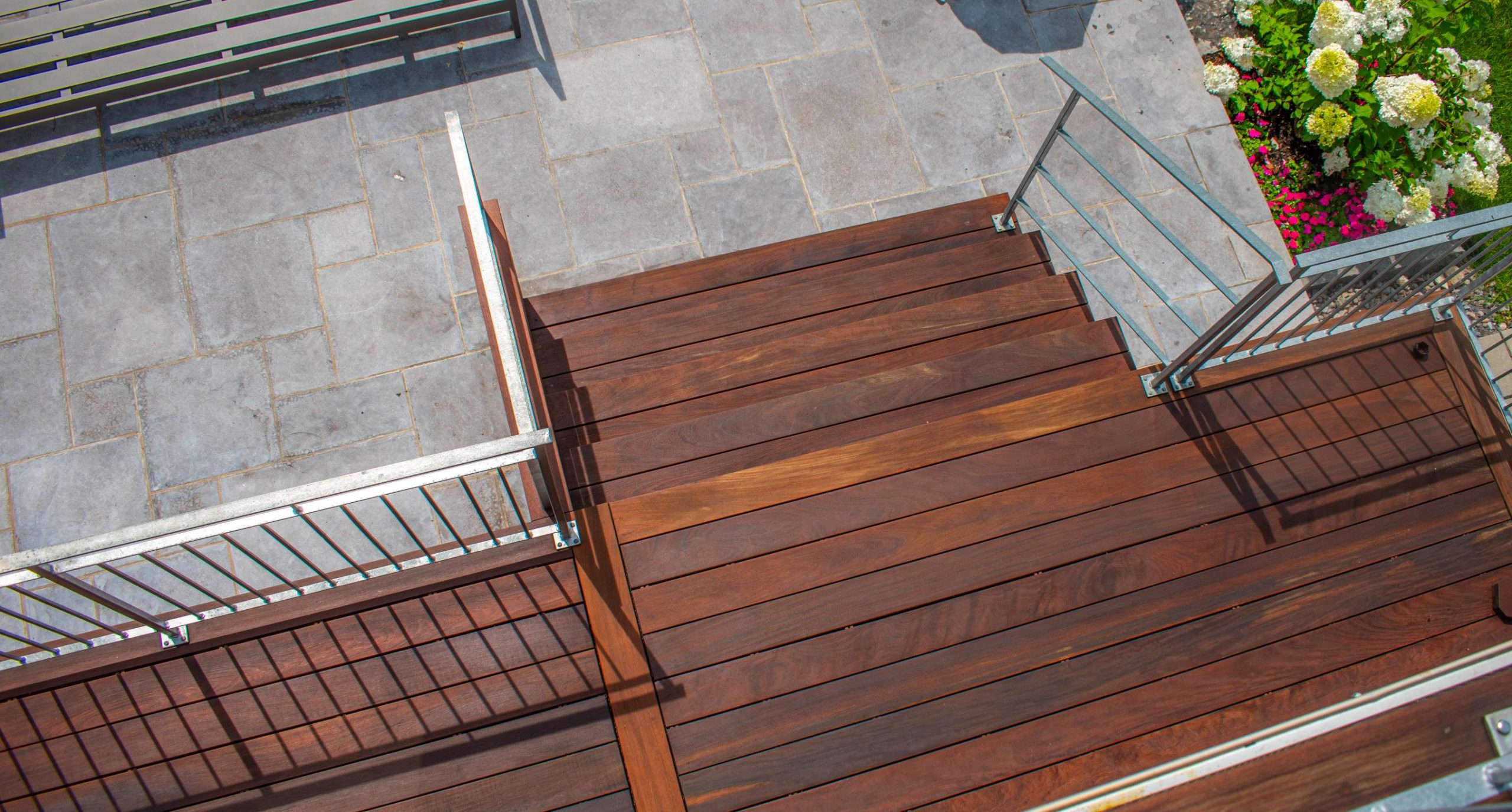
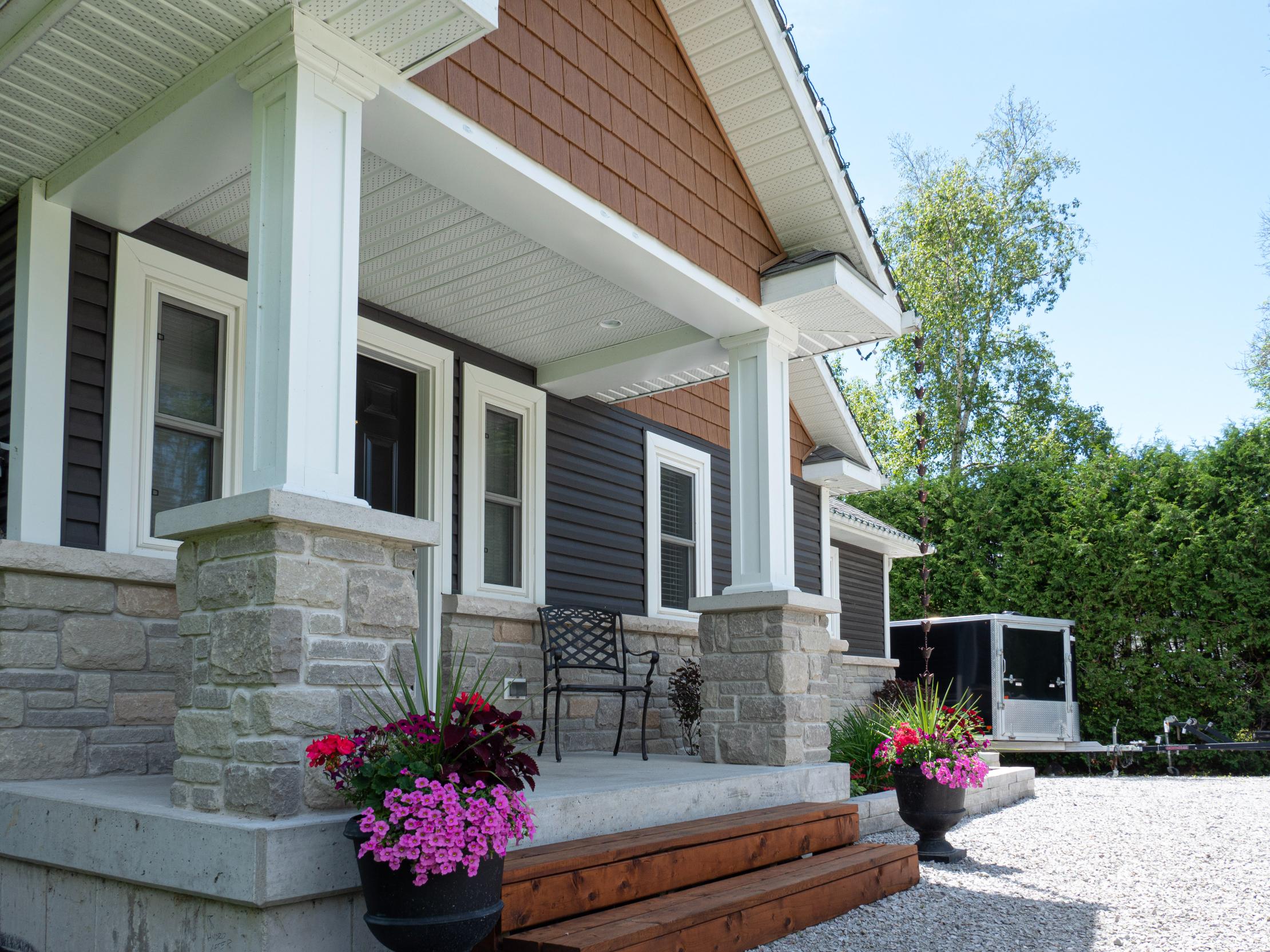
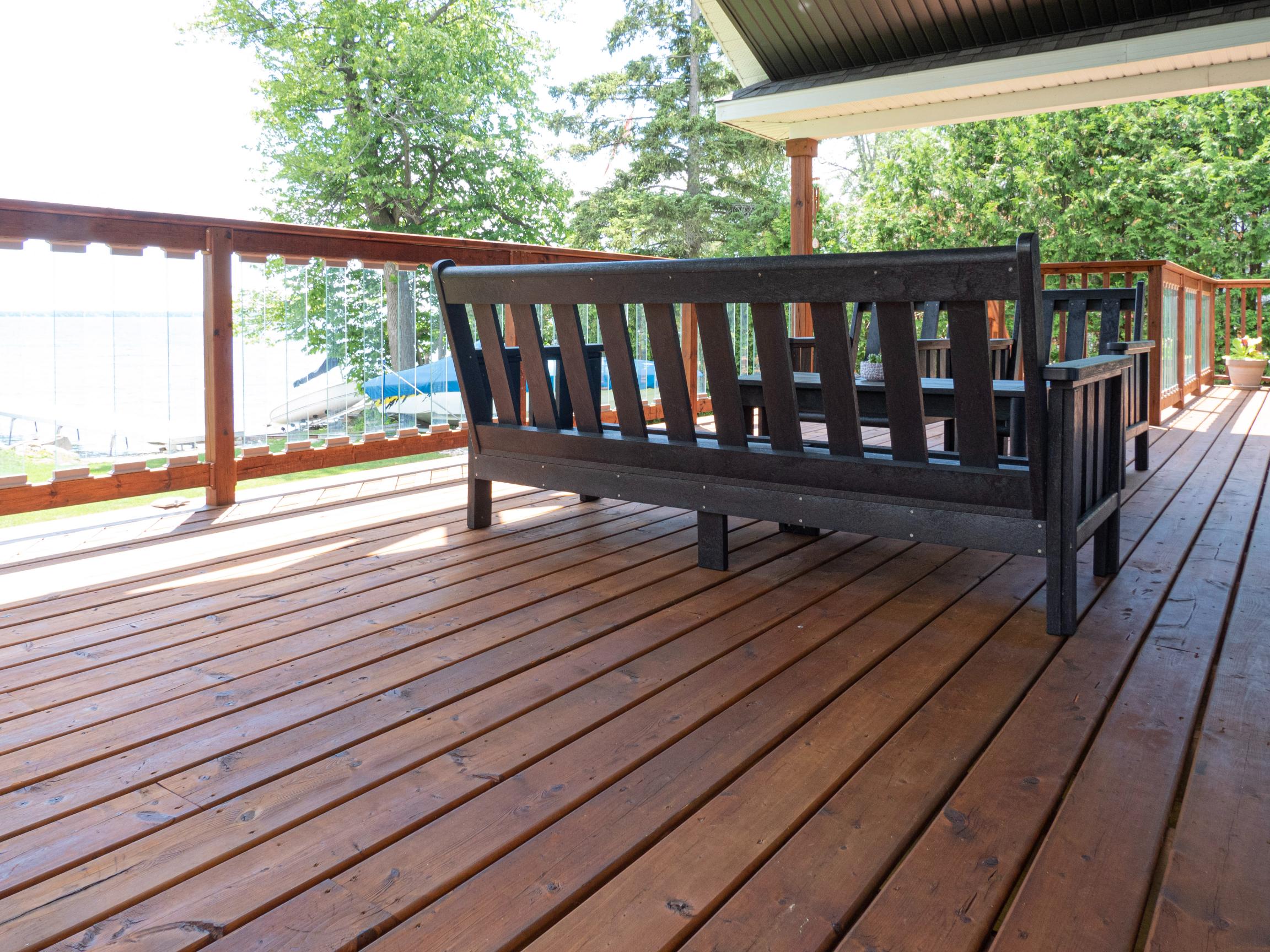
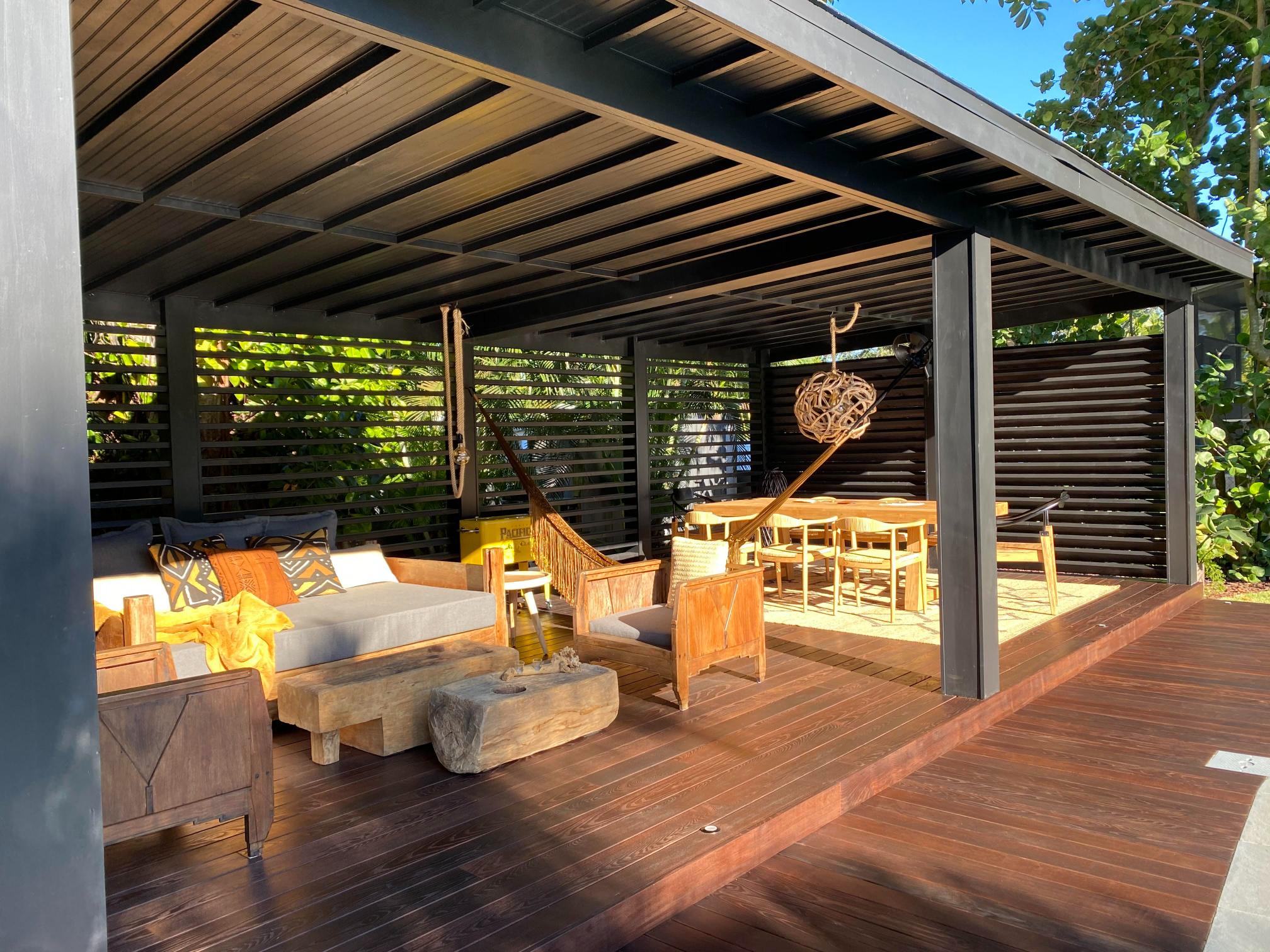
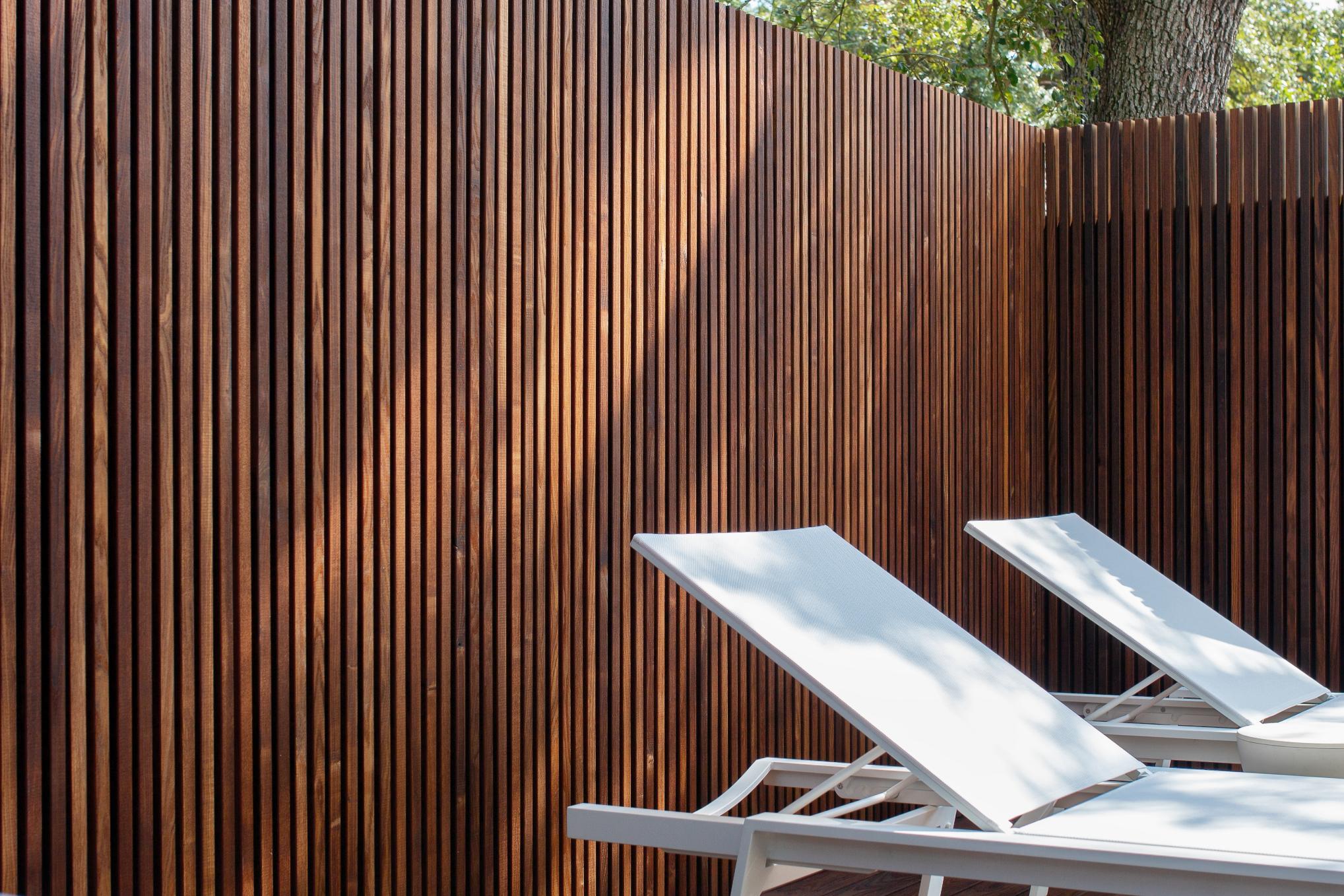
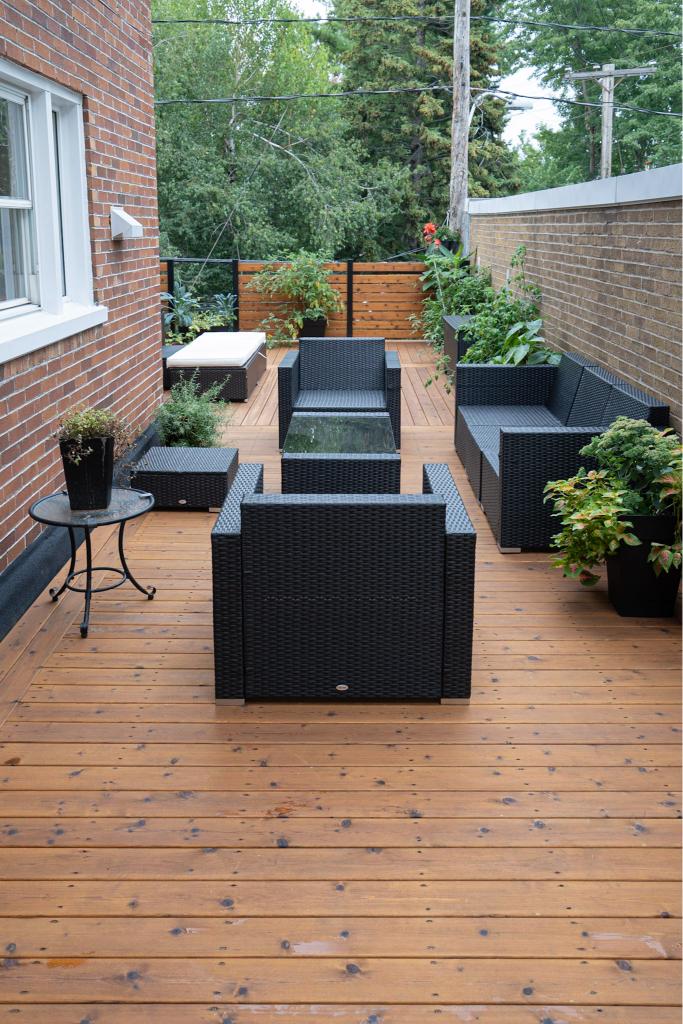
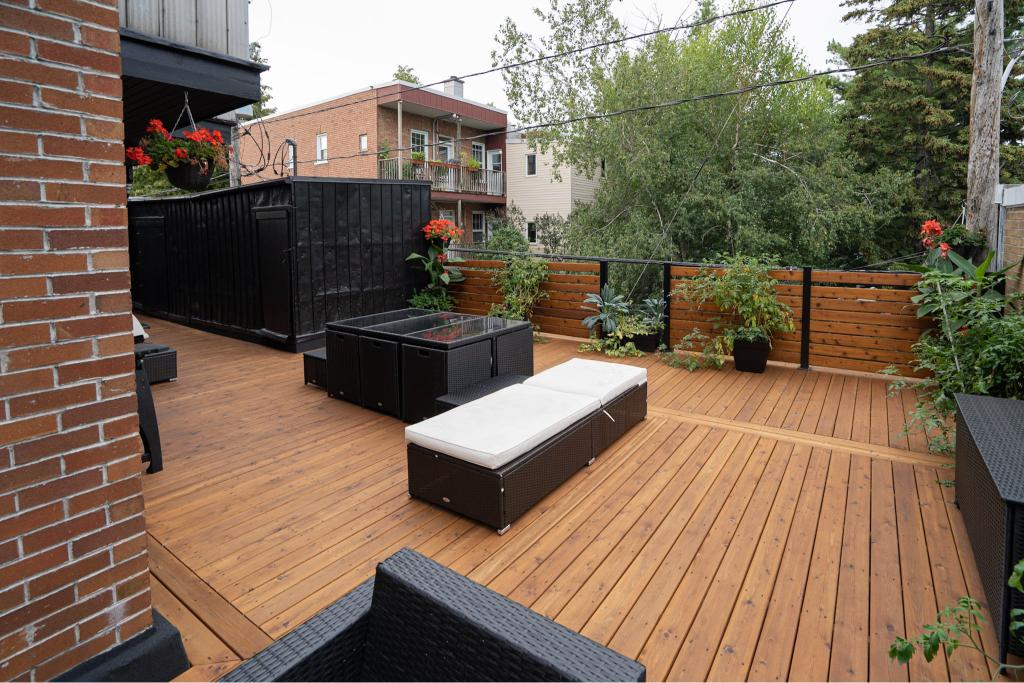
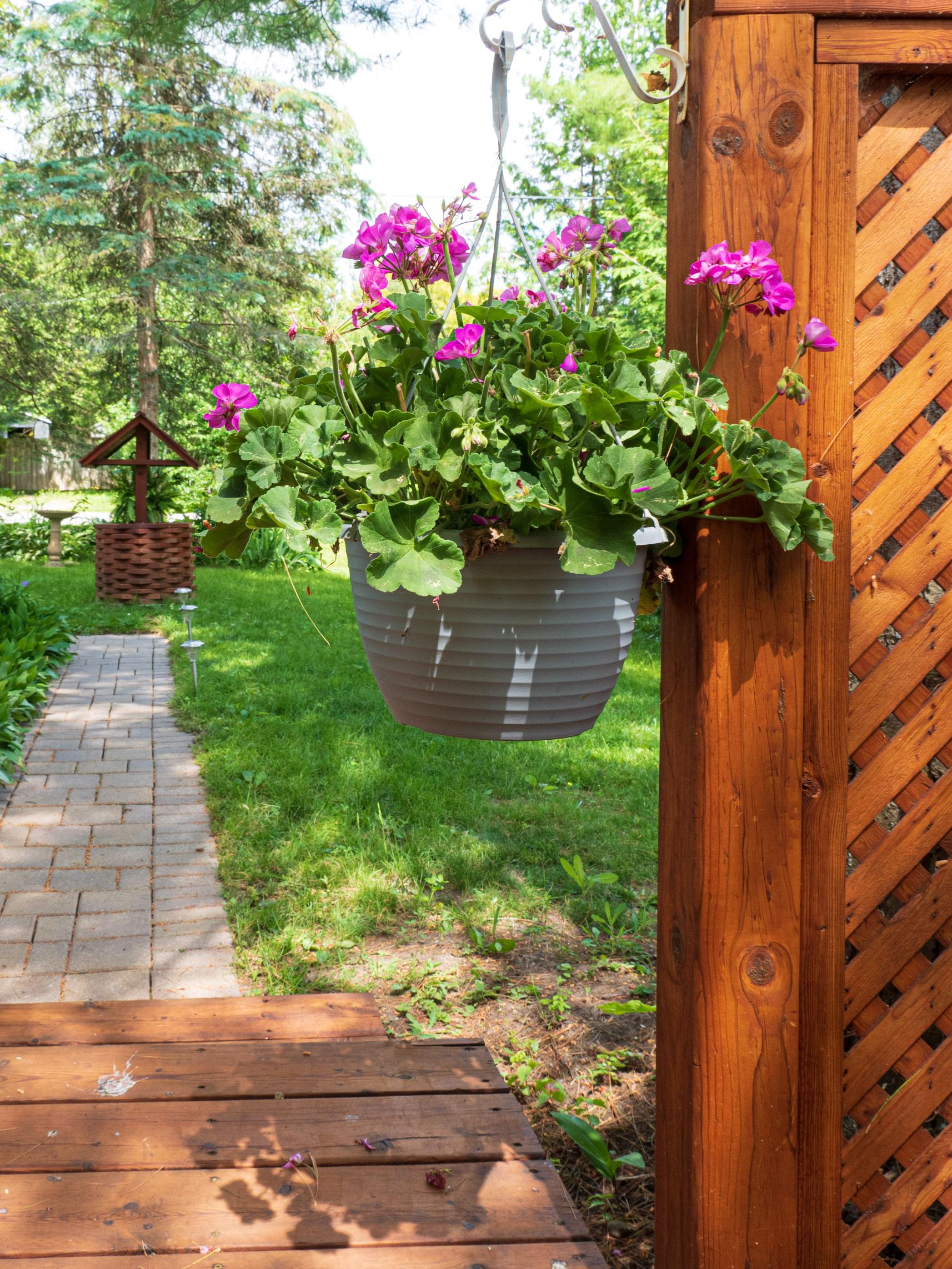
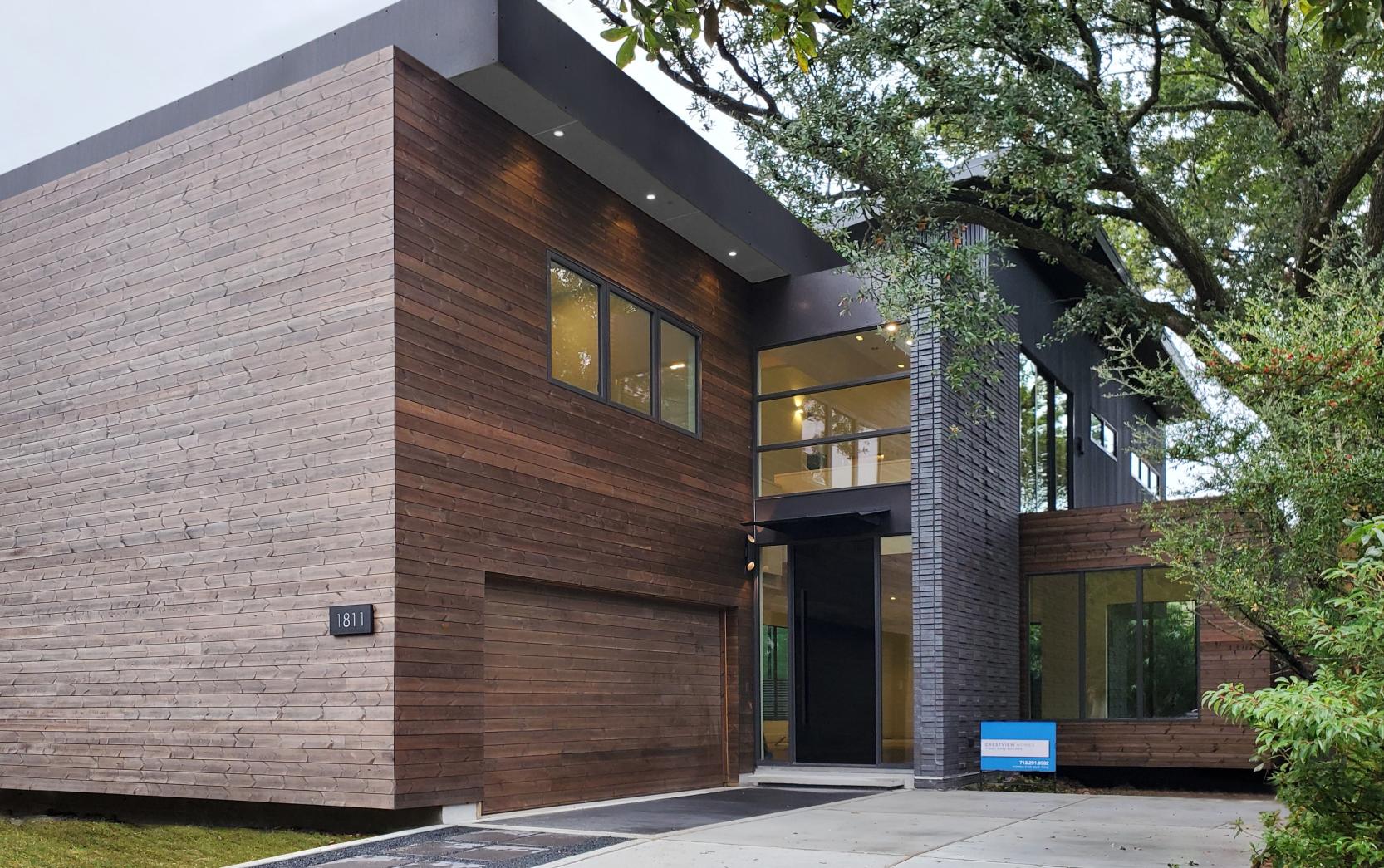

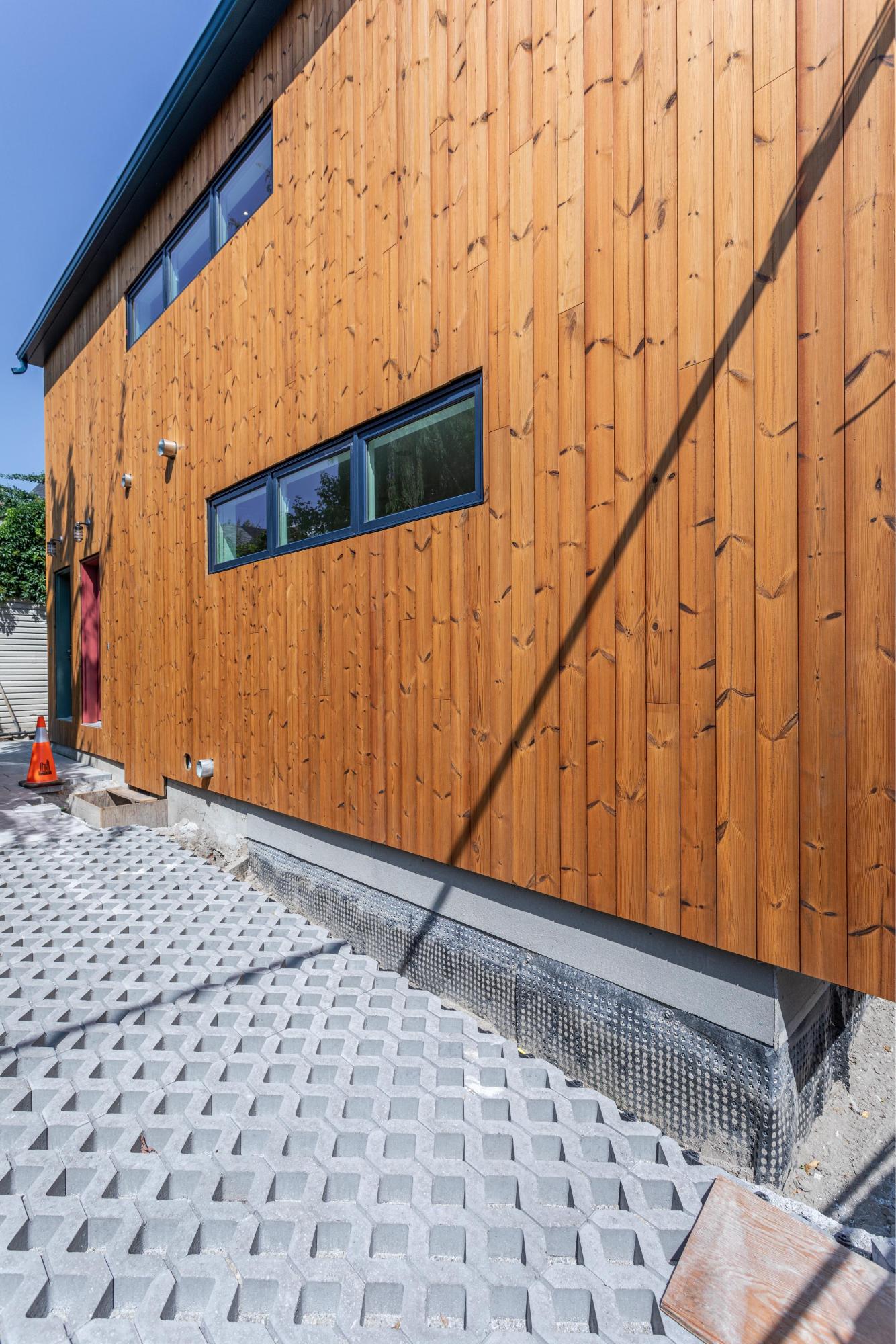
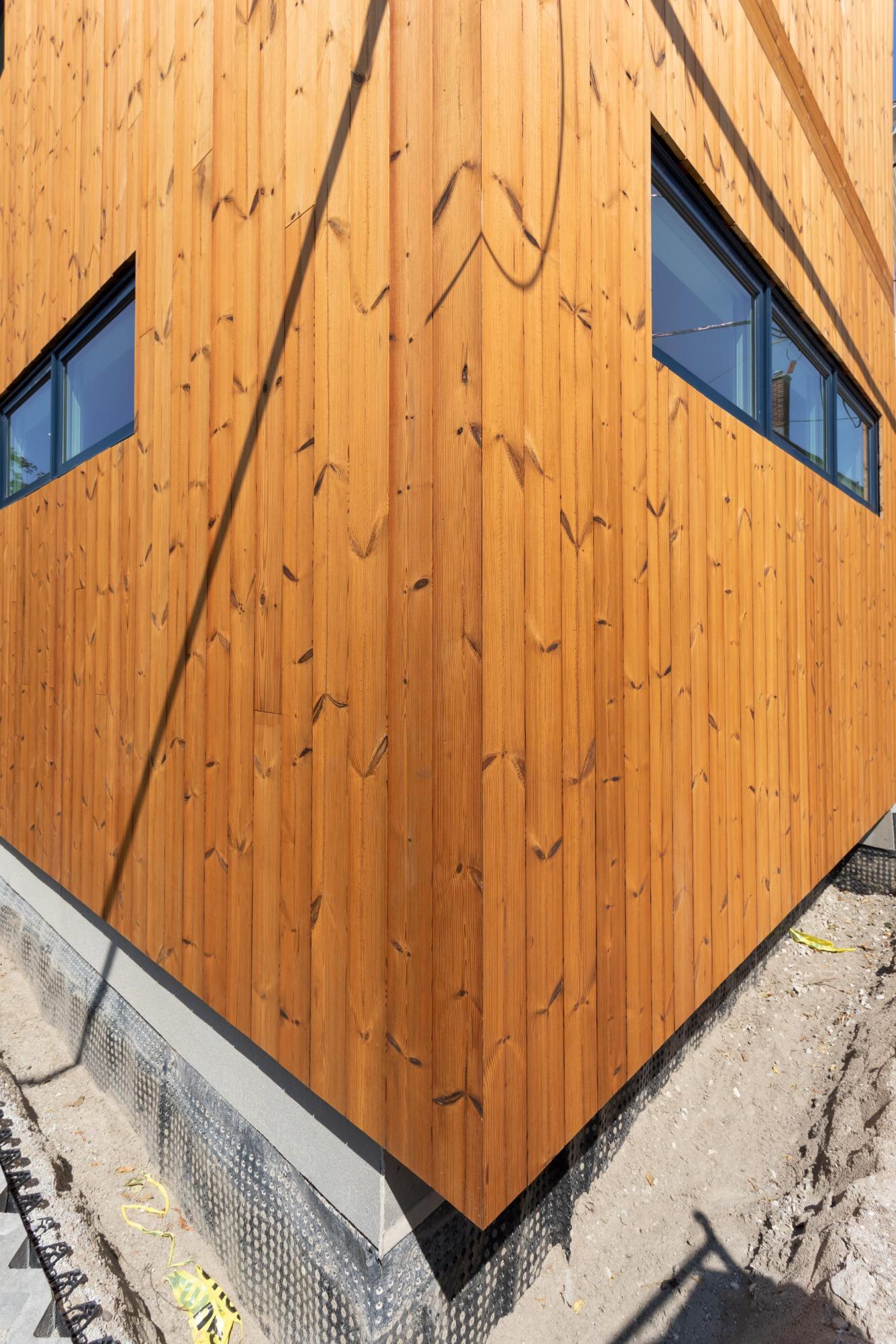
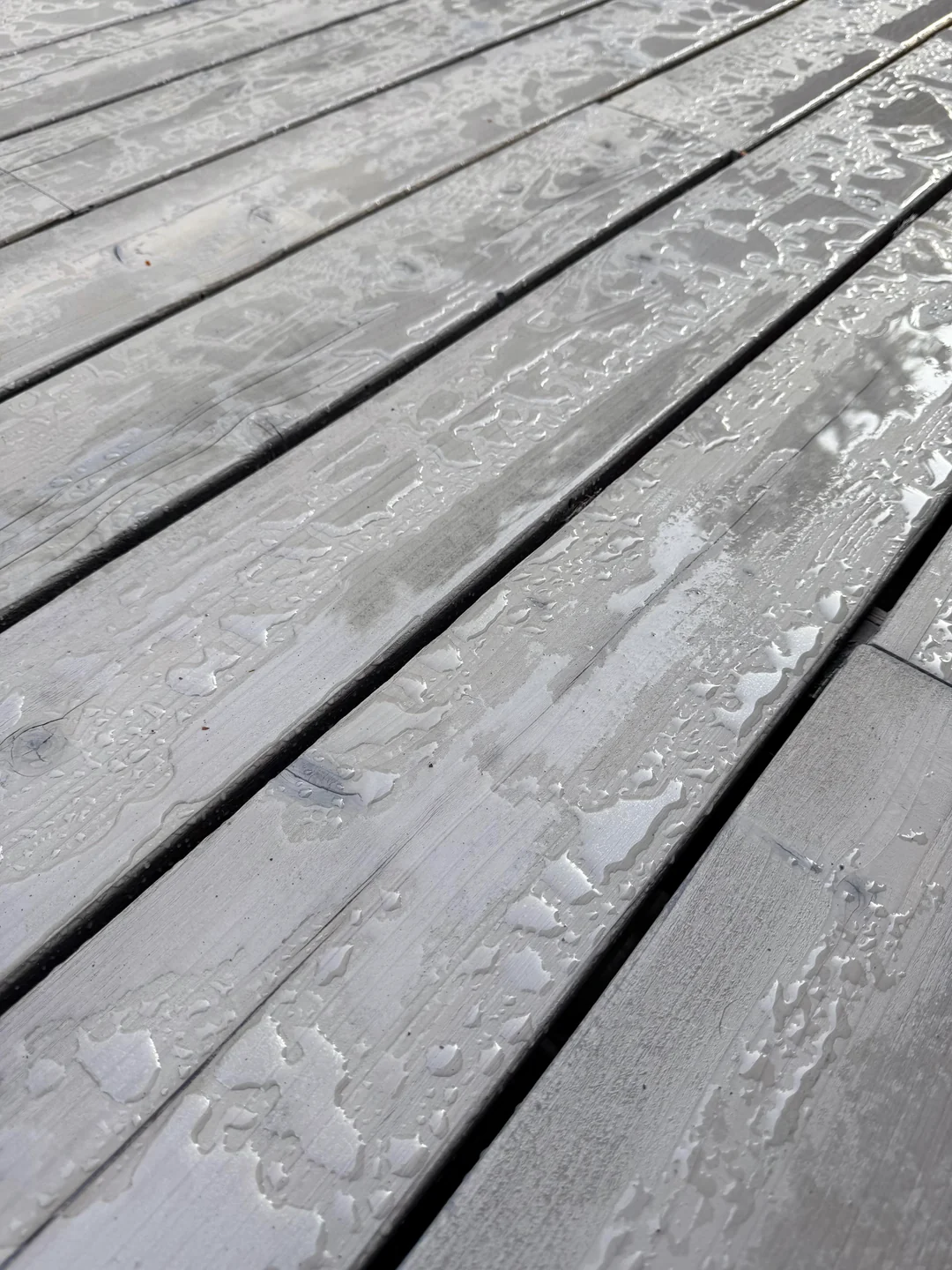
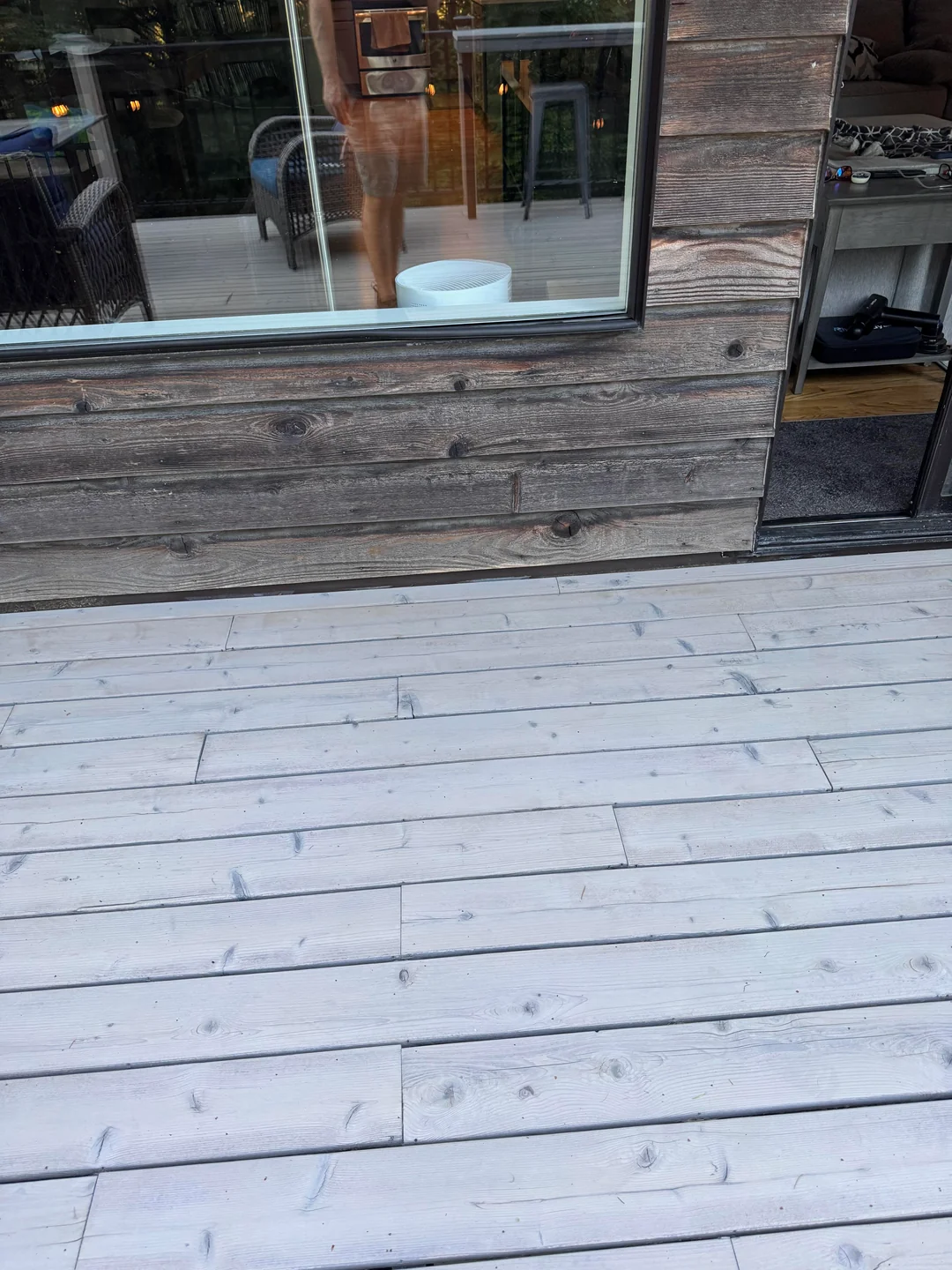
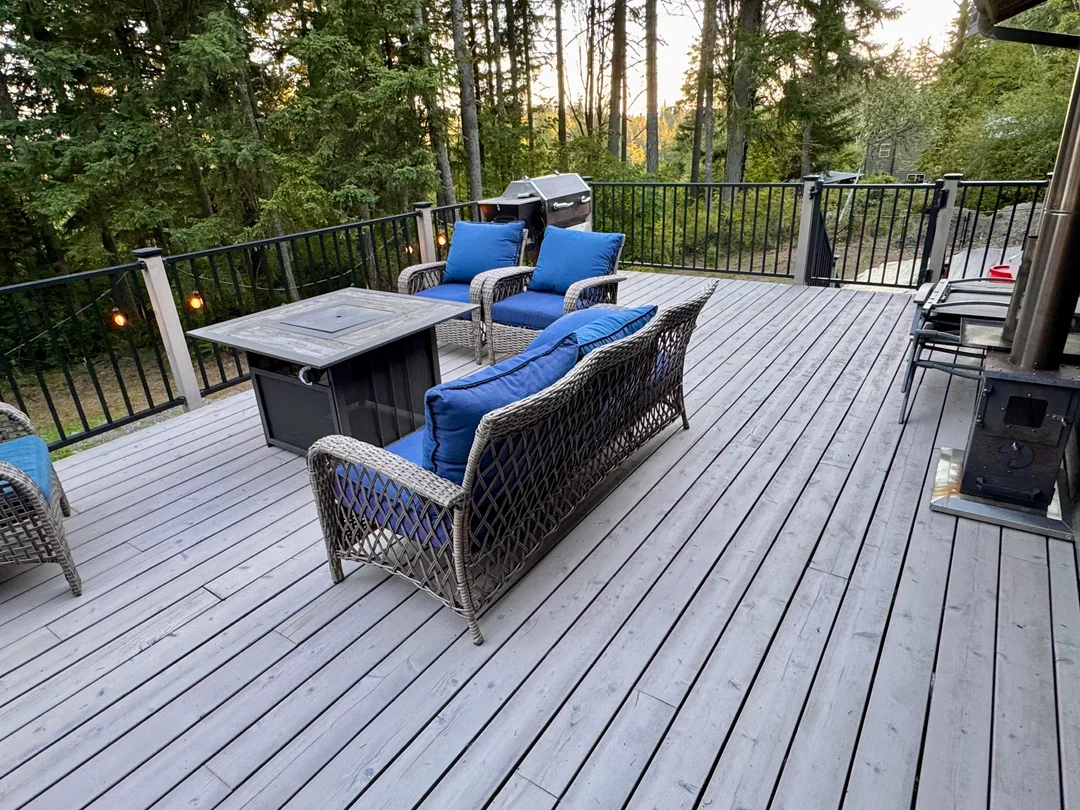
CUTEK® Extreme Photo Gallery
CUTEK® Extreme is a clear penetrating oil. Left without a Colortone added, it lets your wood weather naturally into a soft, silvery patina as it’s exposed to sunlight and UV — the look you see in many of the photos below.
Note: Even as the wood grays, CUTEK® Extreme keeps working. It diffuses deep into the fiber and continues protecting against moisture and improving dimensional stability, whether or not a Colortone was added and regardless of how weathered the surface becomes.
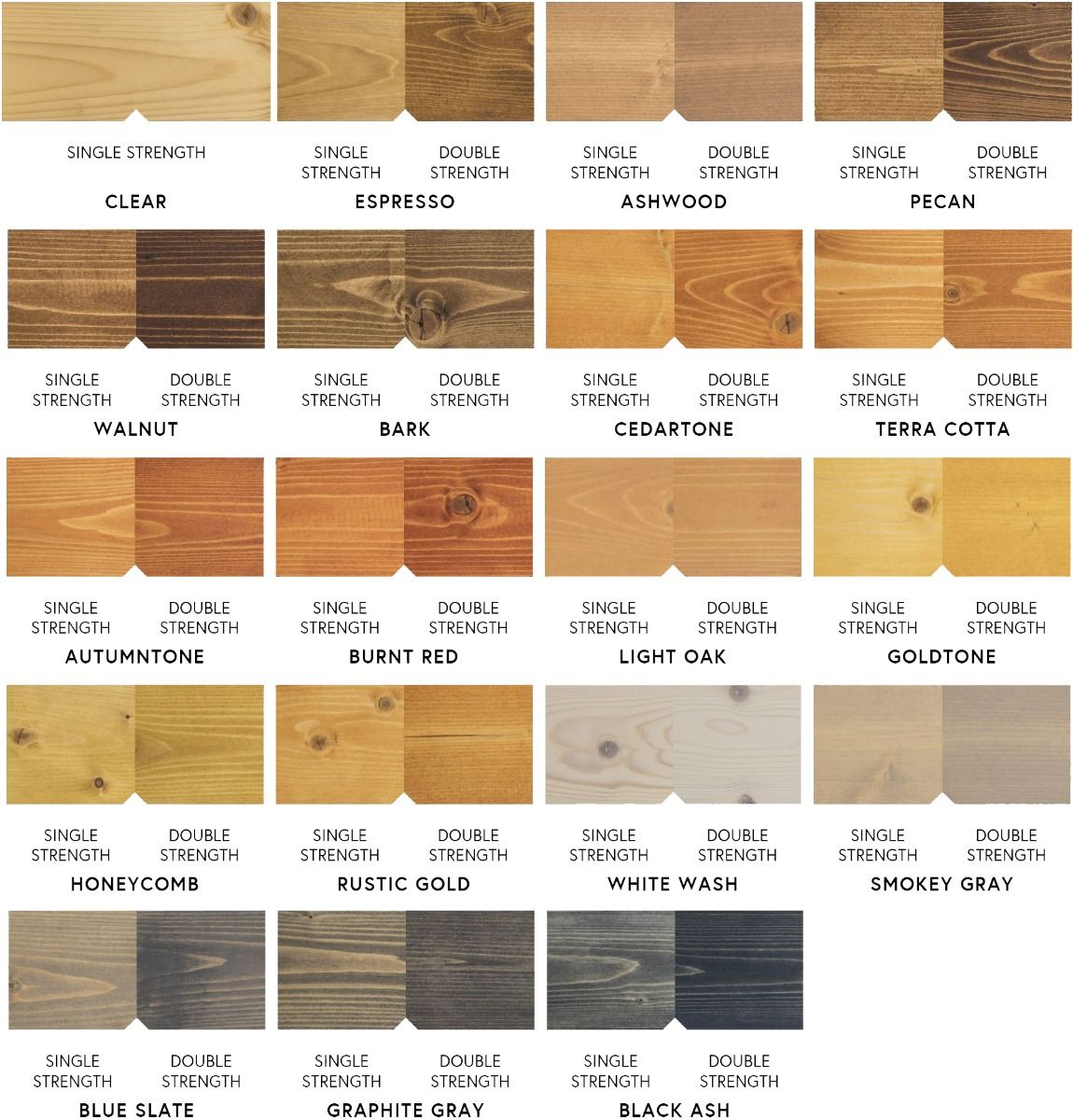
If you’d rather keep the wood looking freshly oiled instead of letting it silver, a Colortone is required — CUTEK® Extreme won’t hold that color on its own. Choose from our 18 Colortones, each formulated to closely match a range of popular wood species. For the most natural-looking result, pick a shade close to the wood’s own tone.
Important: Only use CUTEK® Colortones with CUTEK® Extreme. They’re proprietary, engineered specifically for this system, and aren’t compatible with any third-party oil or stain.
Understanding CUTEK® Colortones
CUTEK® works differently from most wood finishes: instead of masking the grain, it’s built to bring out the wood’s own natural color and texture. The clear oil on its own already does the structural work — guarding against moisture and the cupping, warping, and splitting that moisture movement causes — regardless of whether any color is added. Left alone, that clear-coated wood gradually lightens into a silvered, weathered look, which has become a popular low-maintenance choice for exposed outdoor wood.
That silvering isn’t permanent or one-directional. A project finished in clear CUTEK® Extreme can be brought back close to its original color later on: pressure-wash it with CUTEK® Wood Reviver to strip the weathered gray layer, then recoat with clear CUTEK® Extreme.
If keeping that just-oiled color is the goal from the start, mix a CUTEK® Colortone into the clear oil. Pick the shade based on the wood species you’re coating — the right Colortone should enhance the grain that’s already there and help the color hold longer, rather than fight against the wood’s natural tone.
One honest caveat: color retention timelines can’t be guaranteed. Too many variables affect how a colored finish weathers — the wood’s age and porosity, species, how it’s installed, its exposure and orientation to sun and weather, application technique, and how well it was prepped beforehand.
CUTEK® Colortone Color Charts
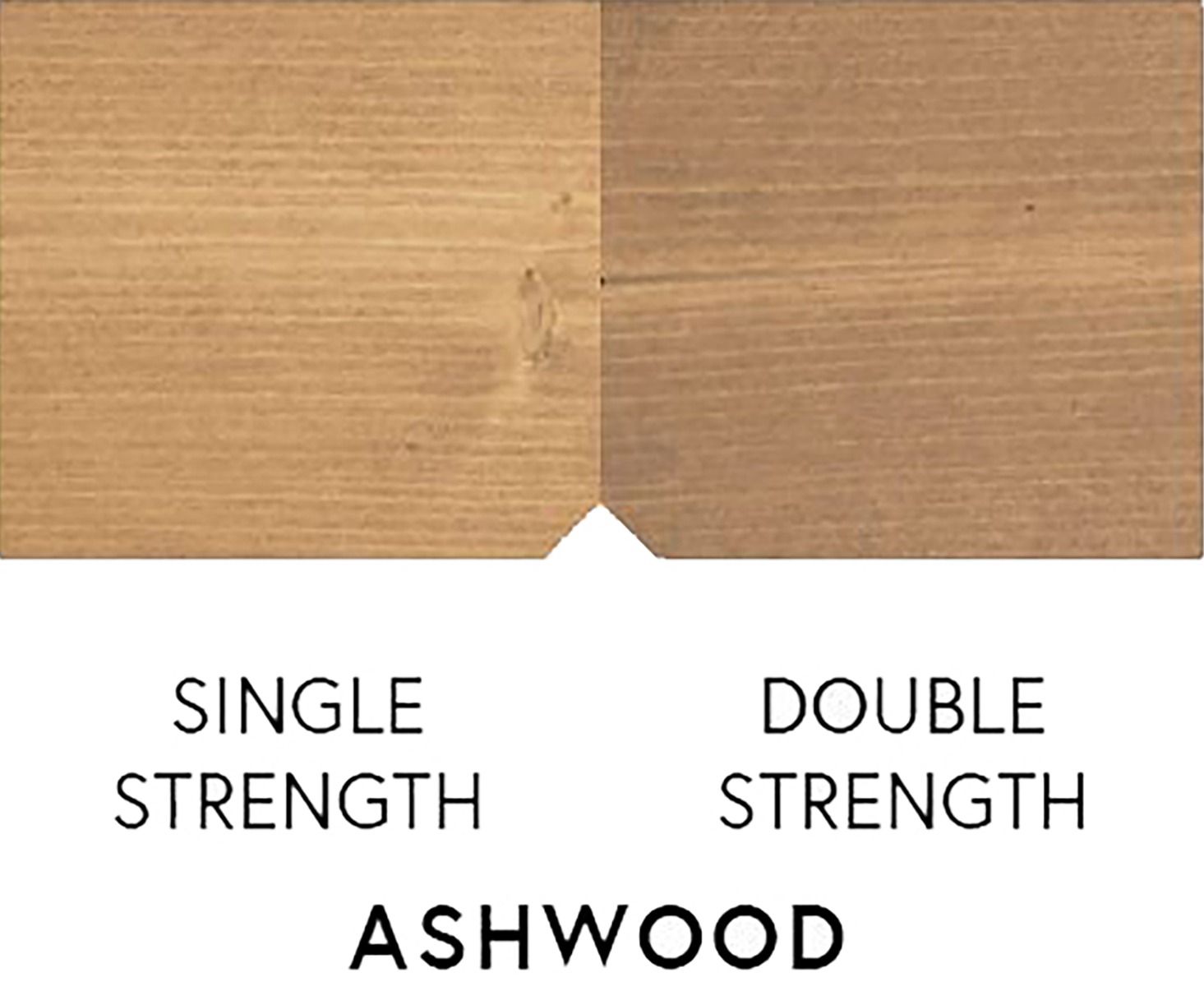
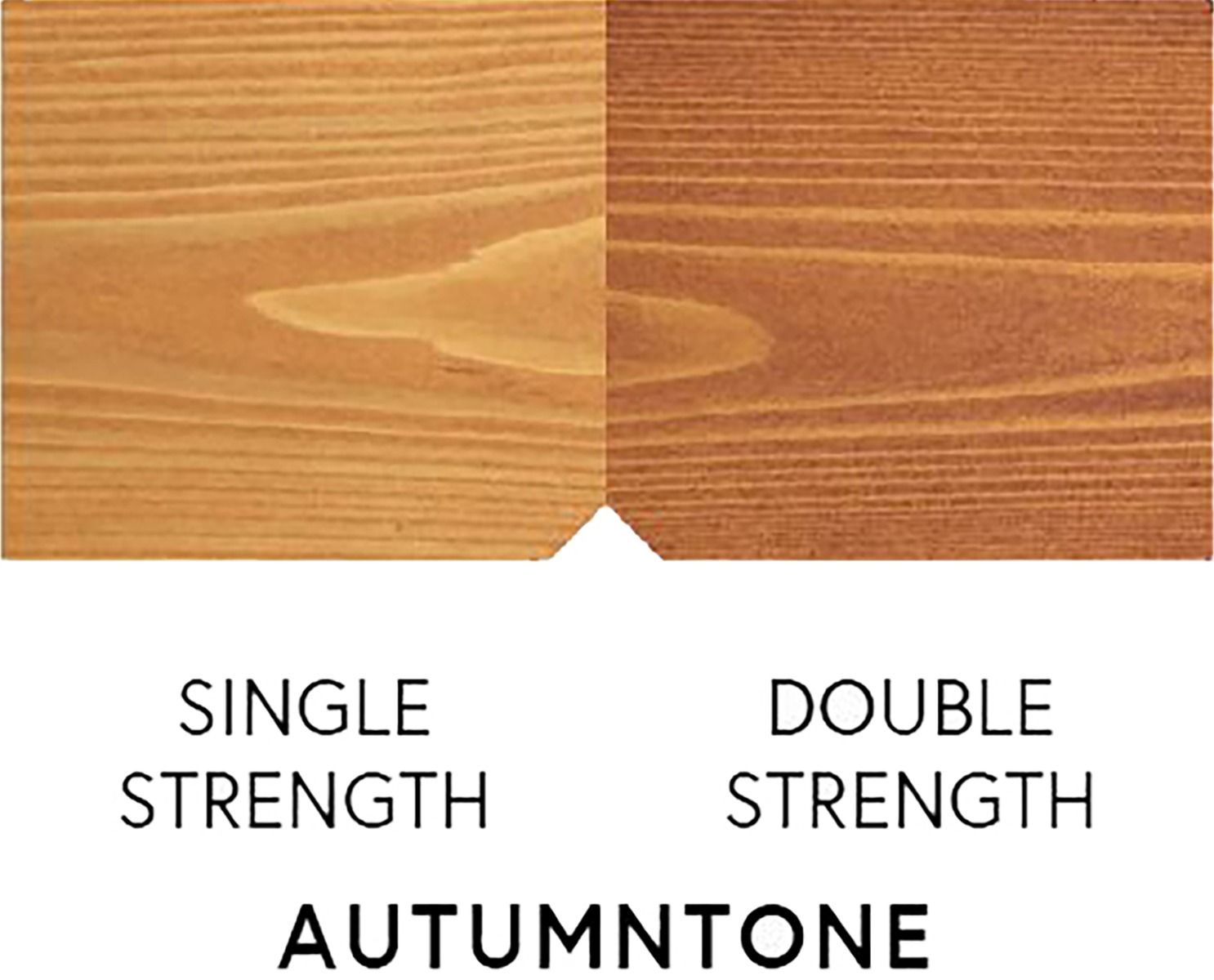
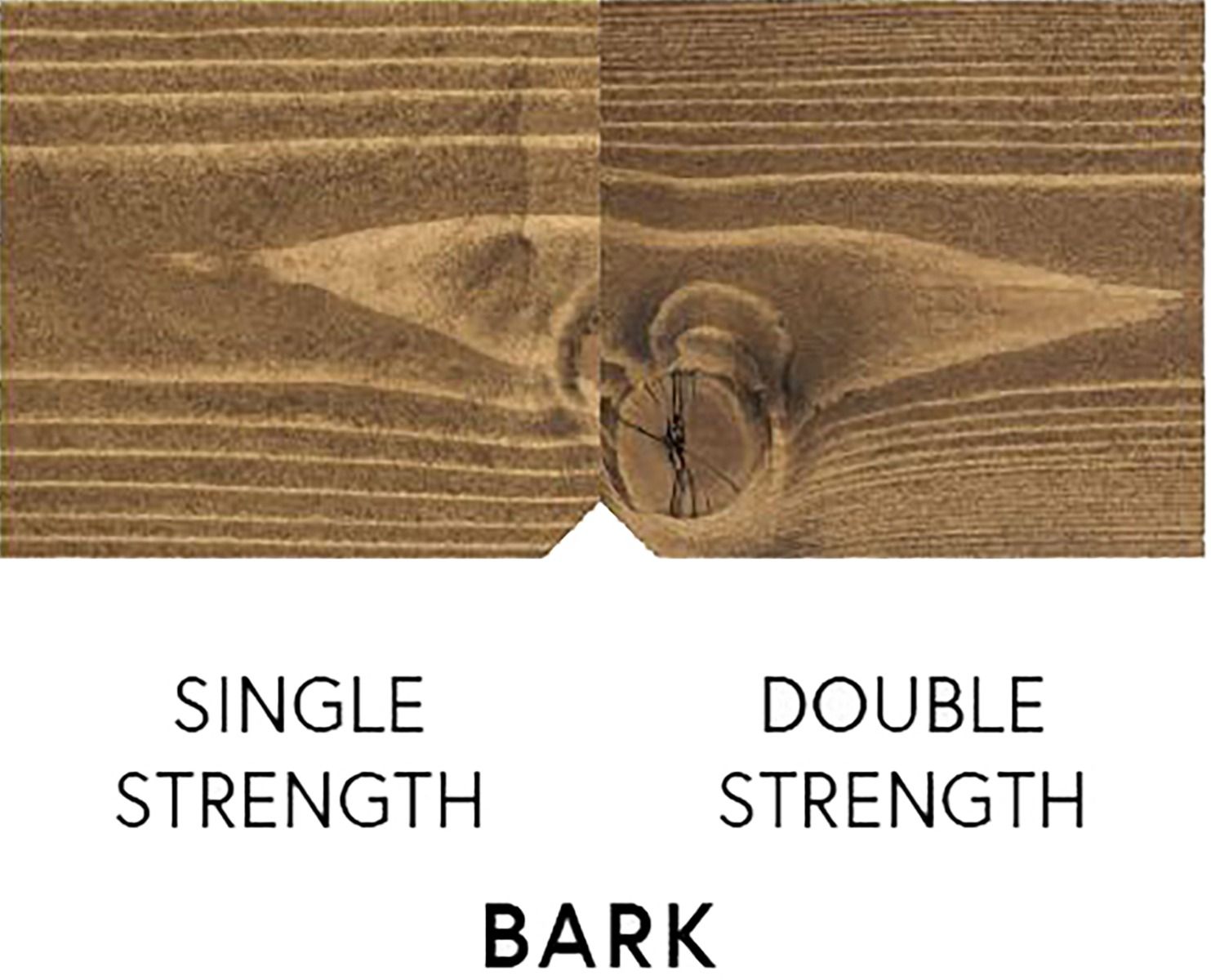
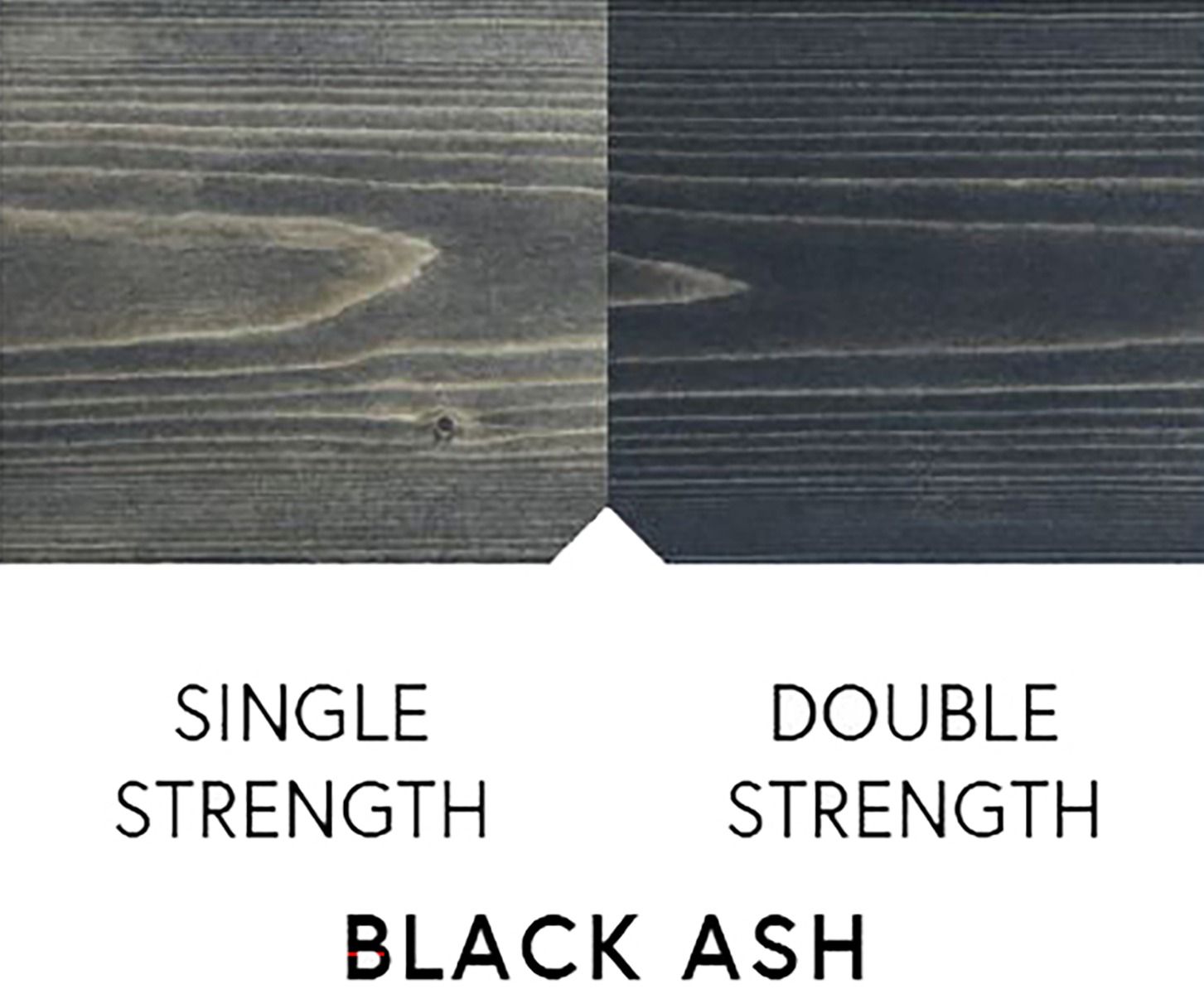
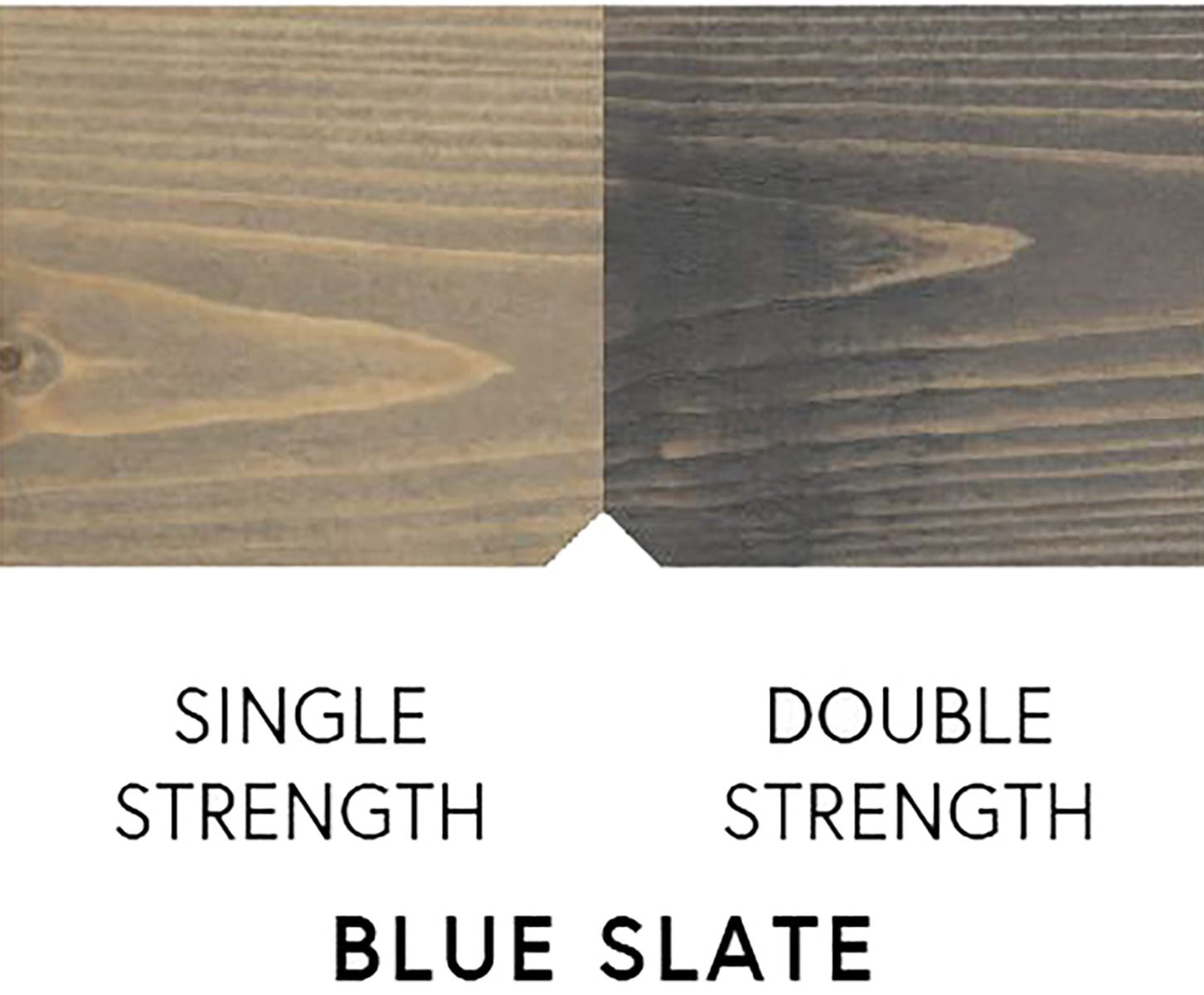
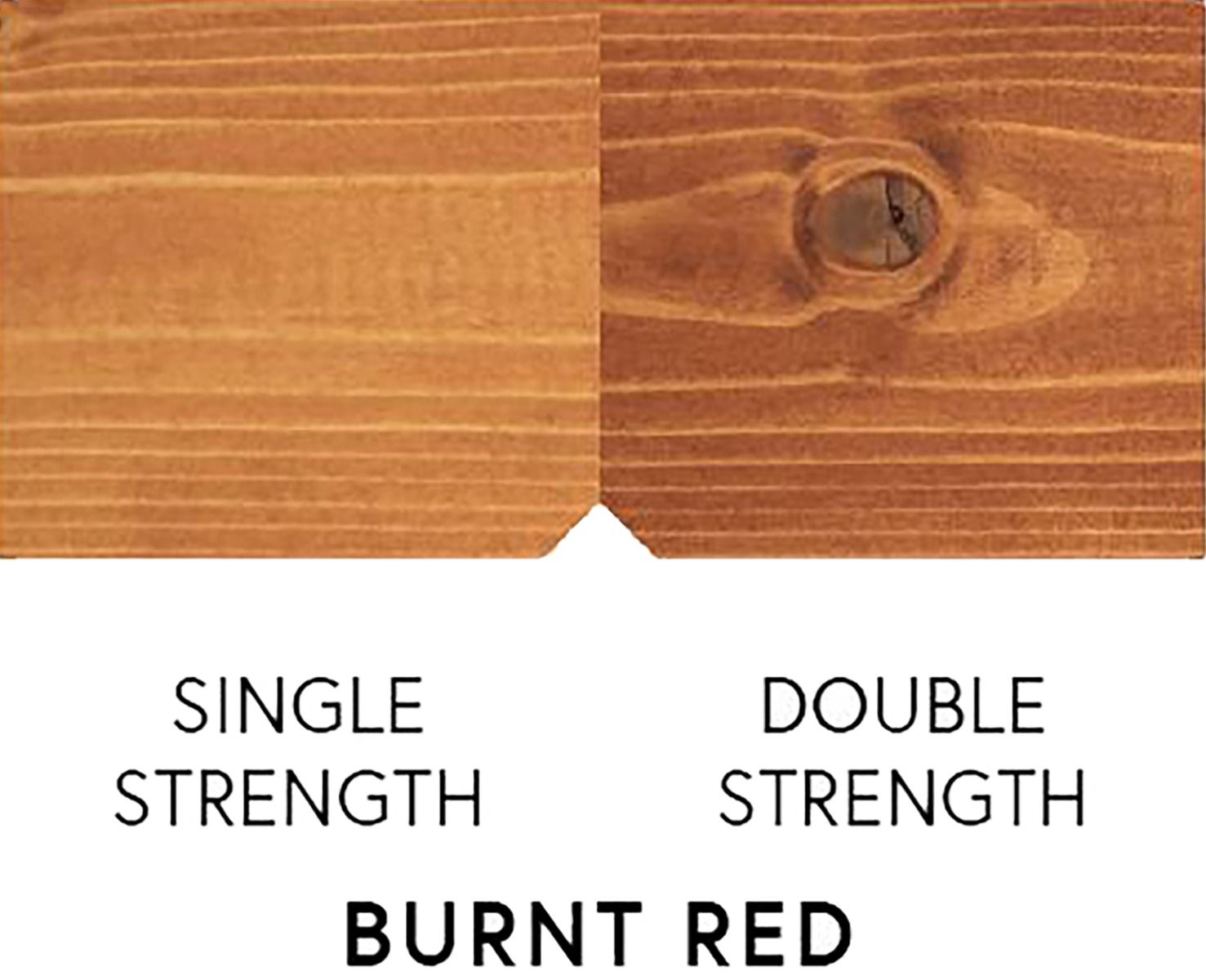
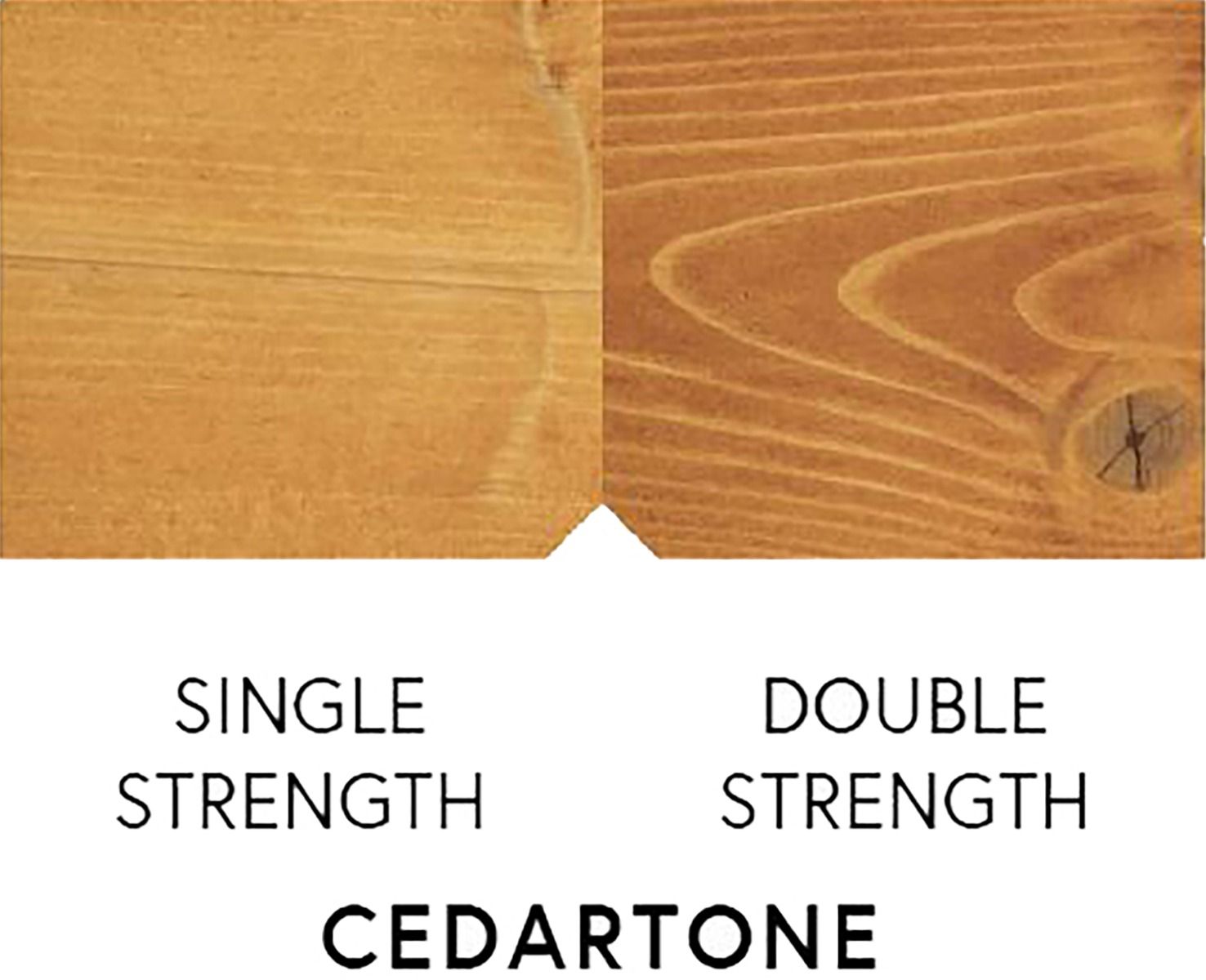
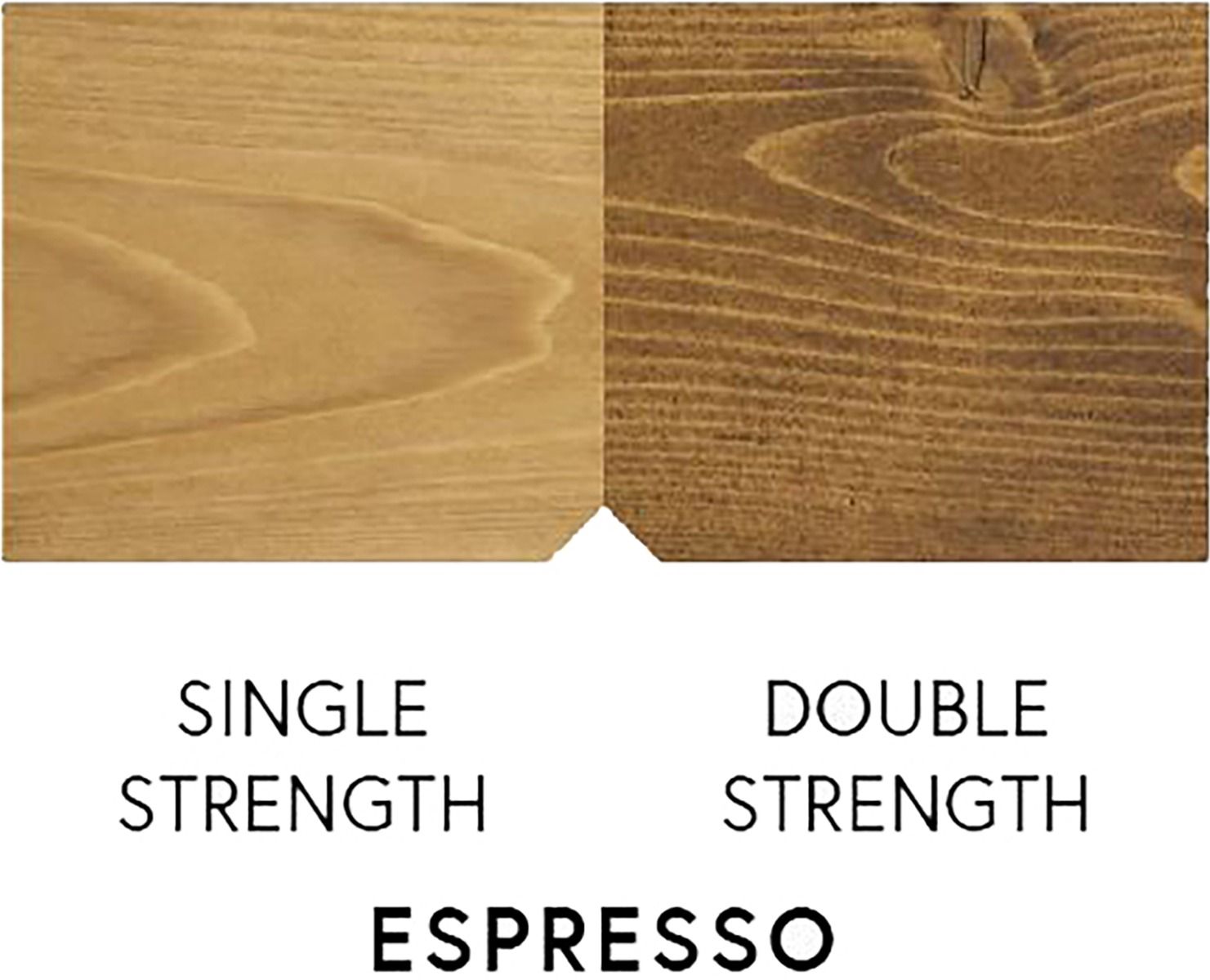
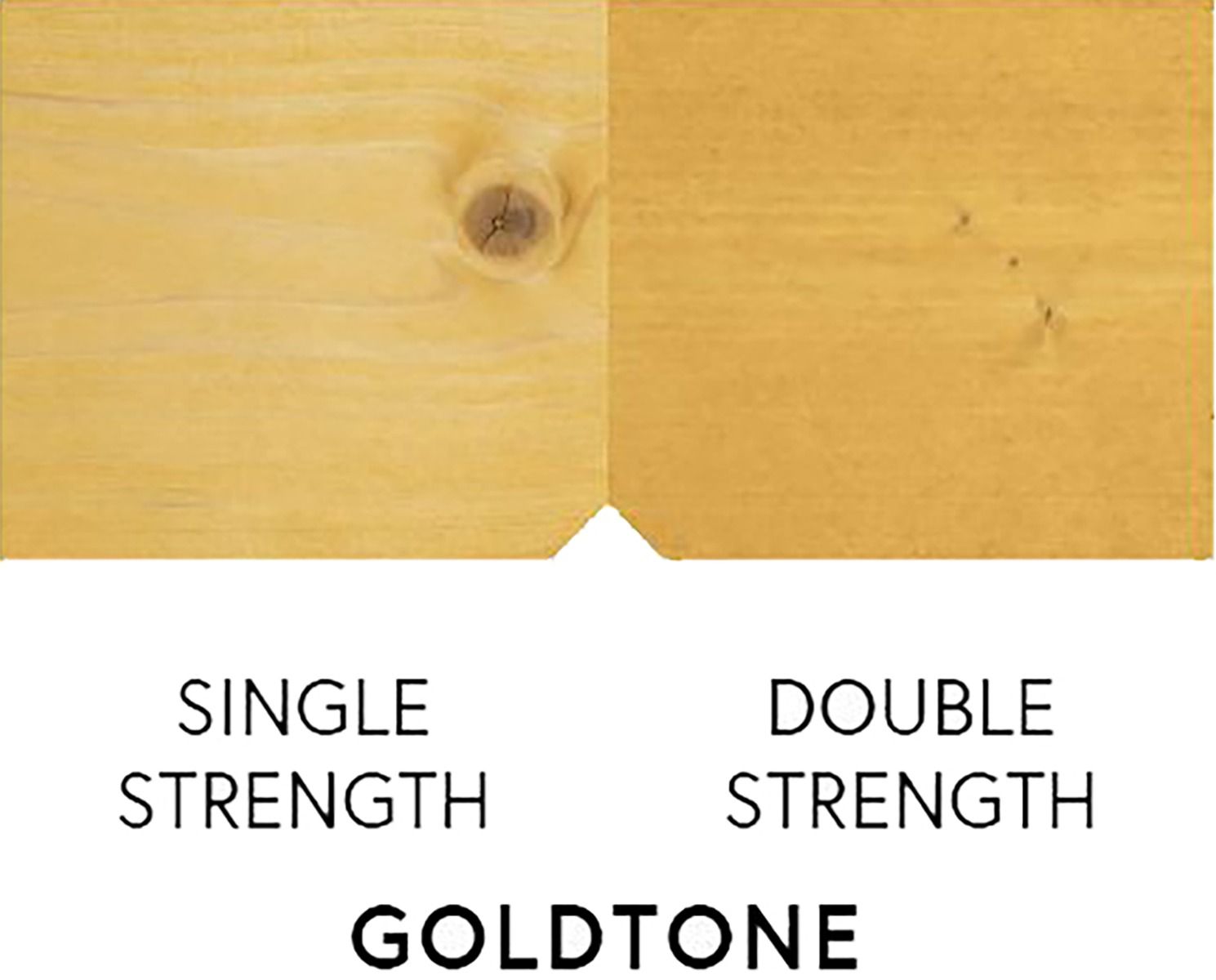
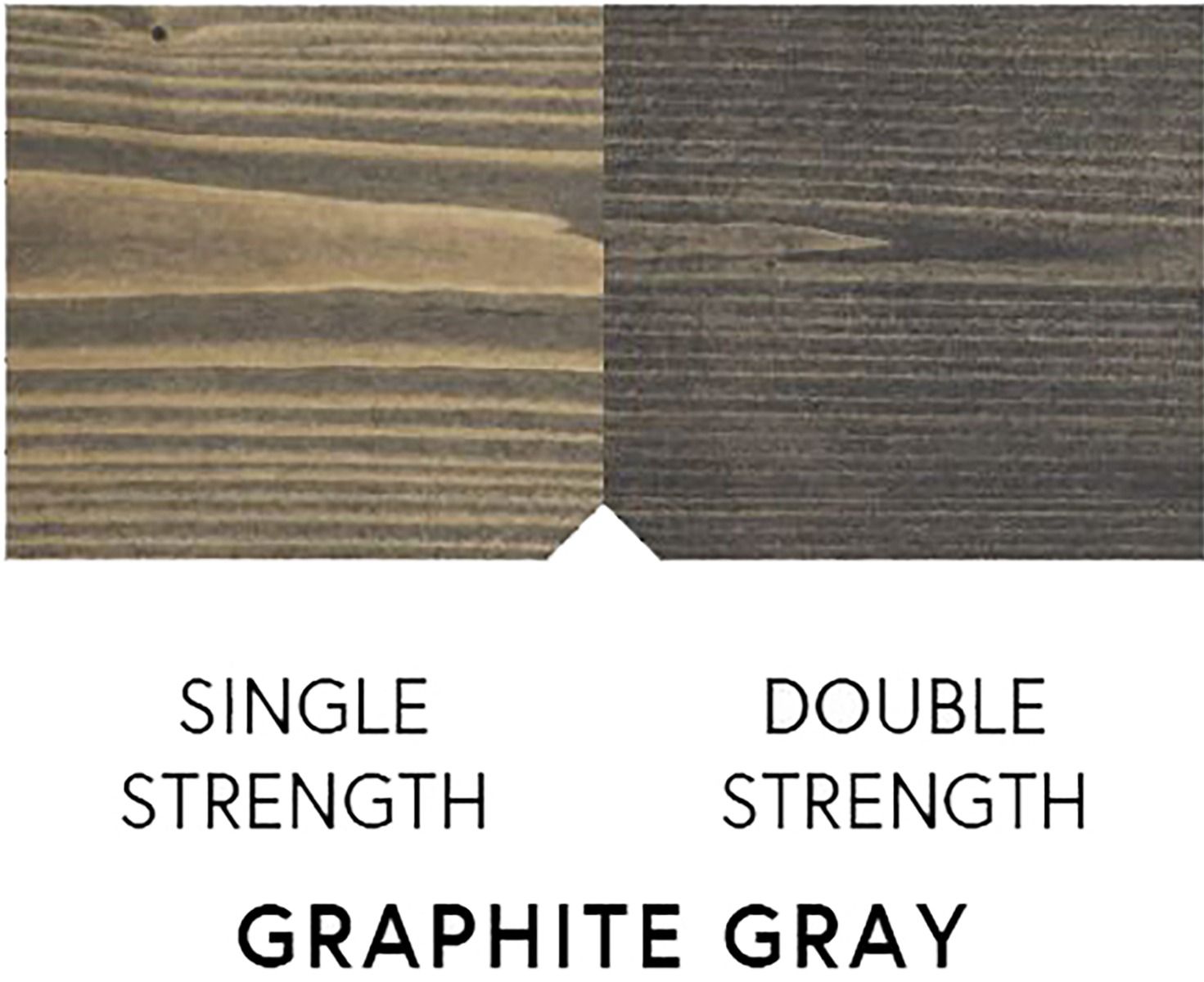
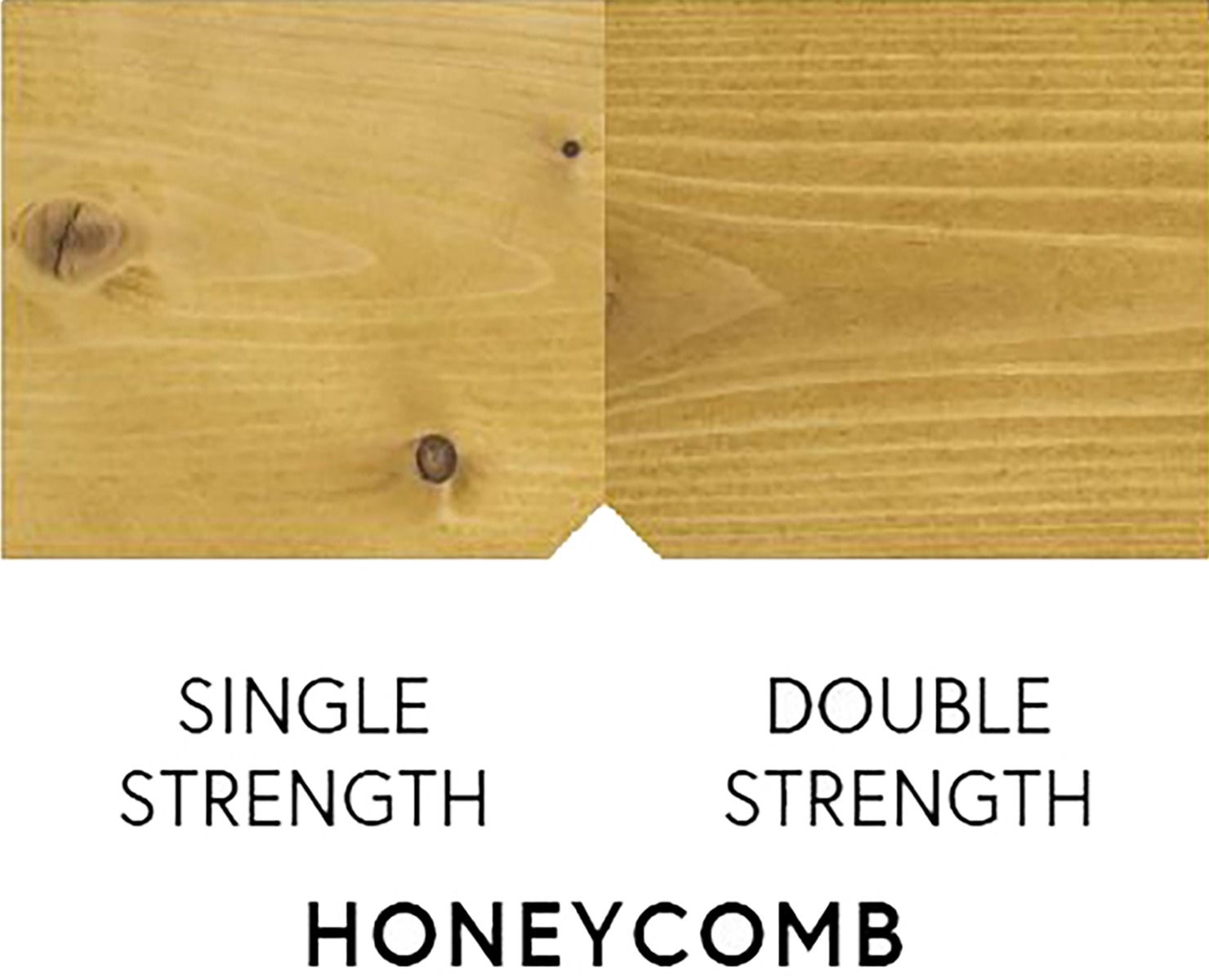
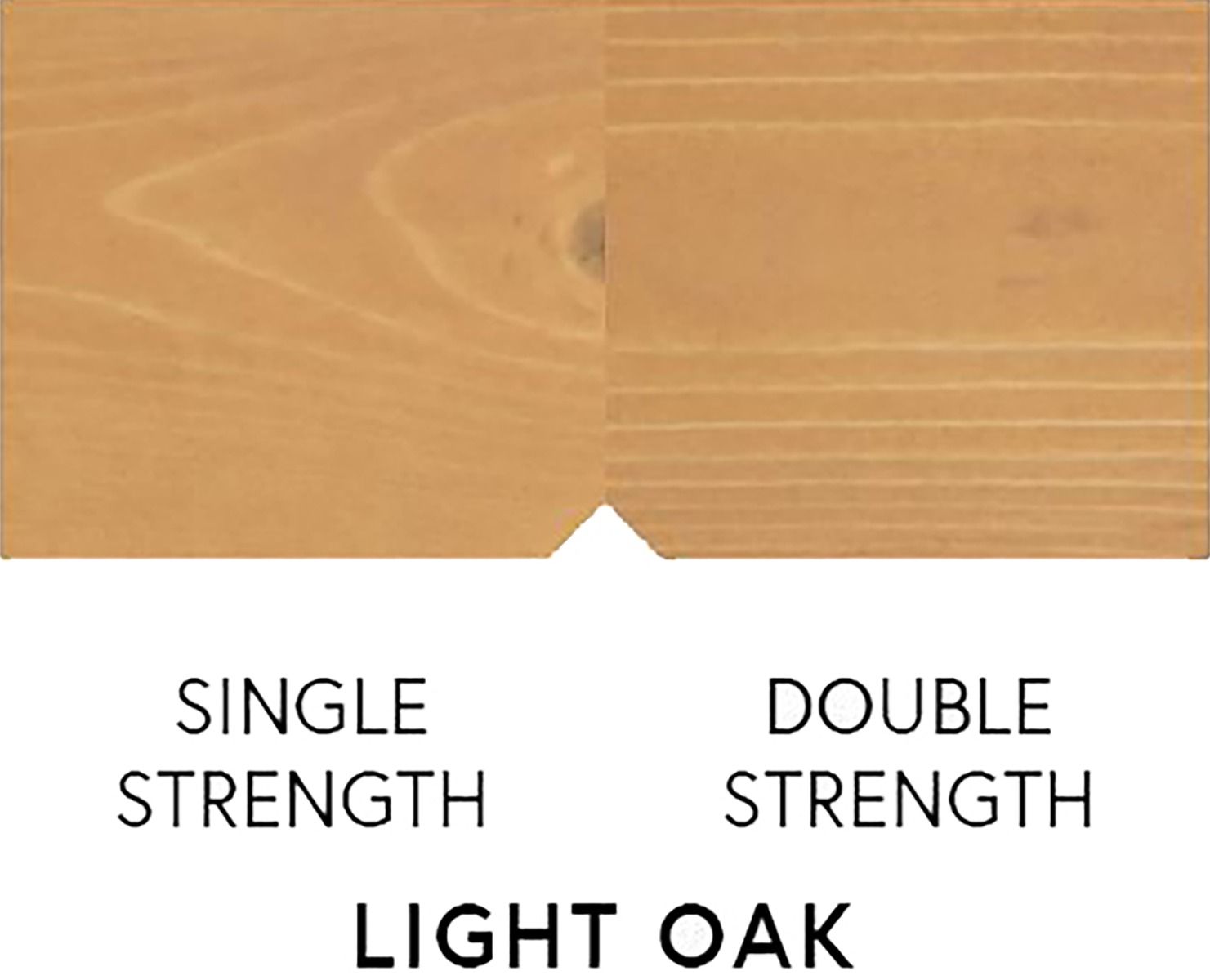
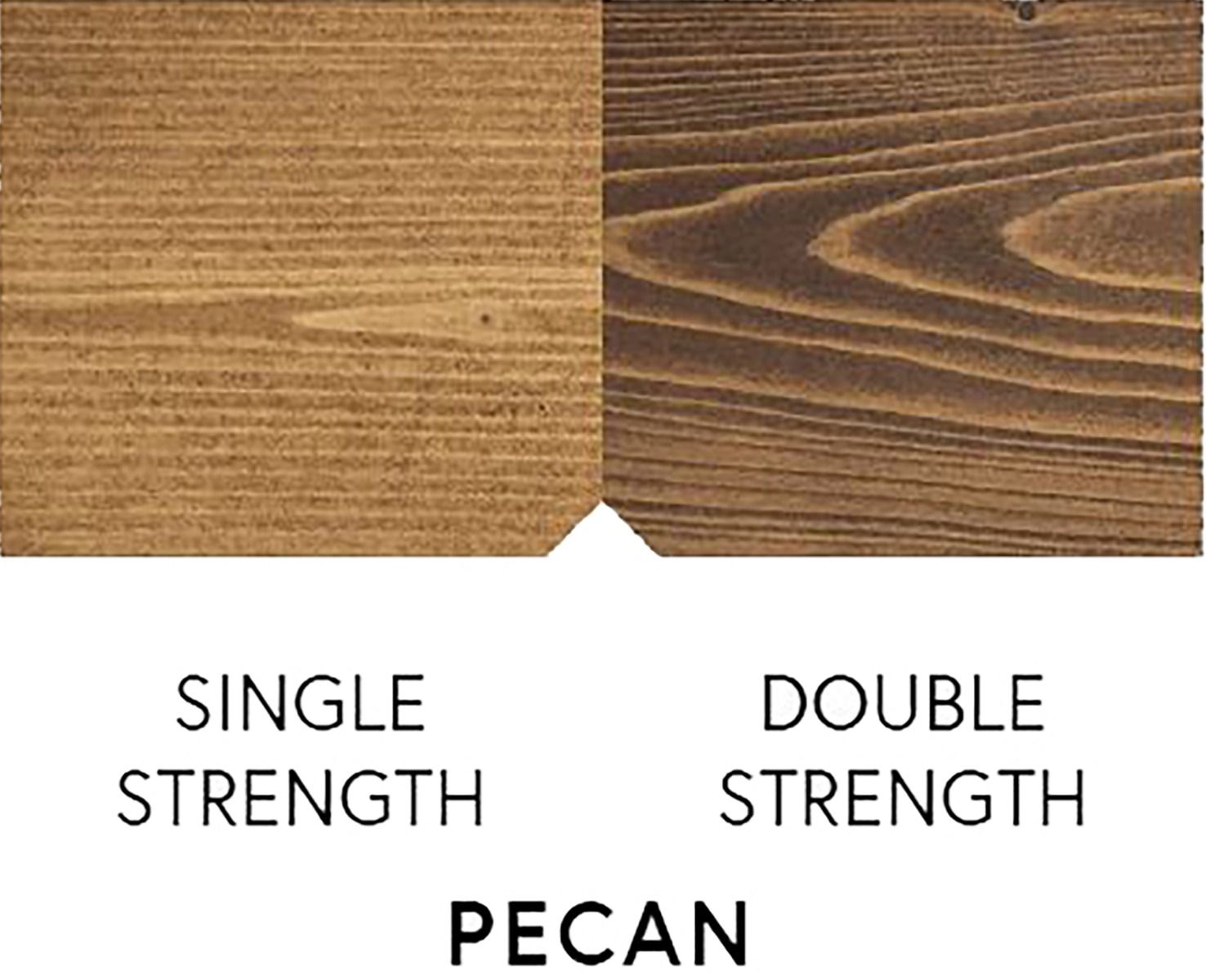
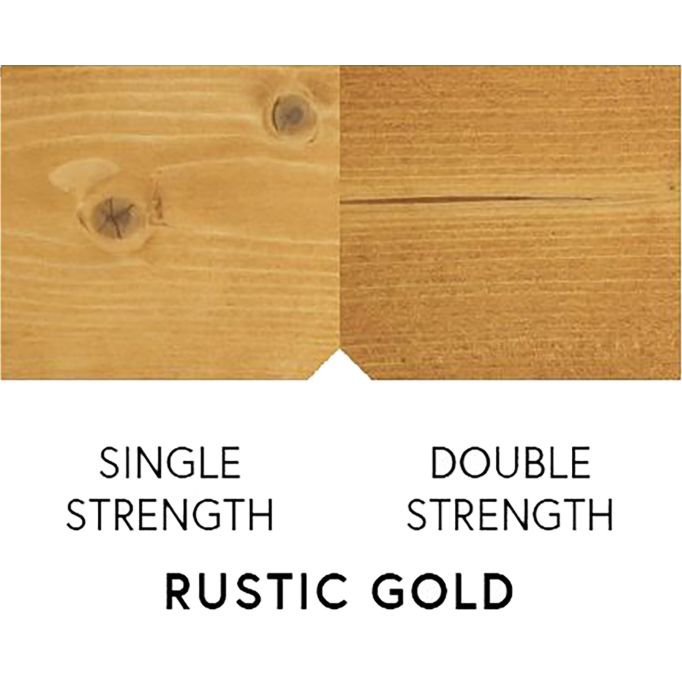
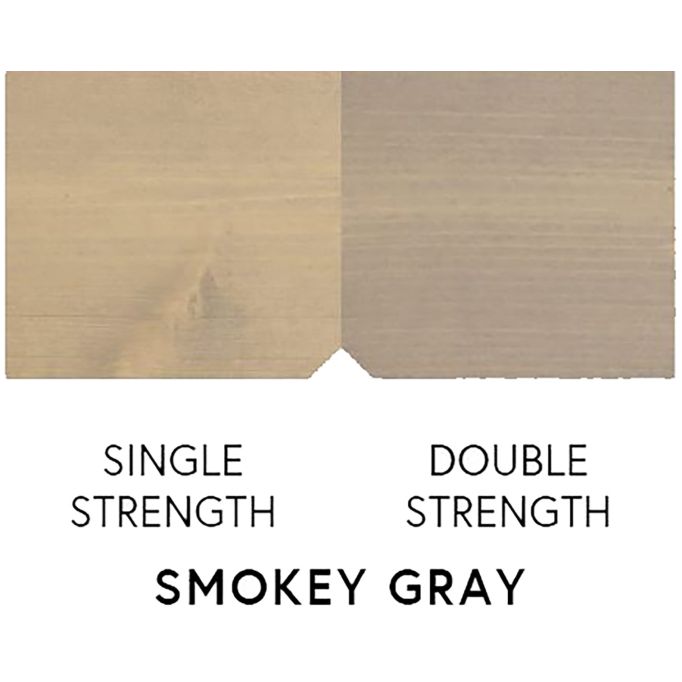
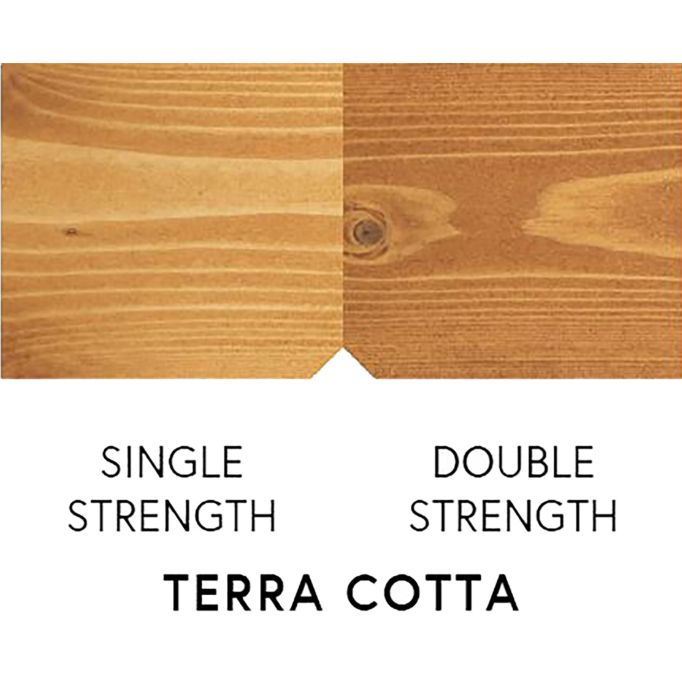
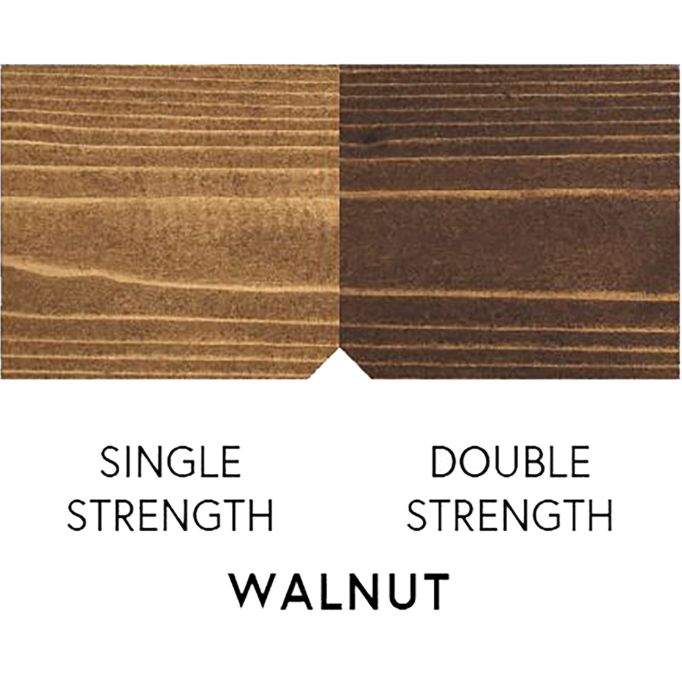
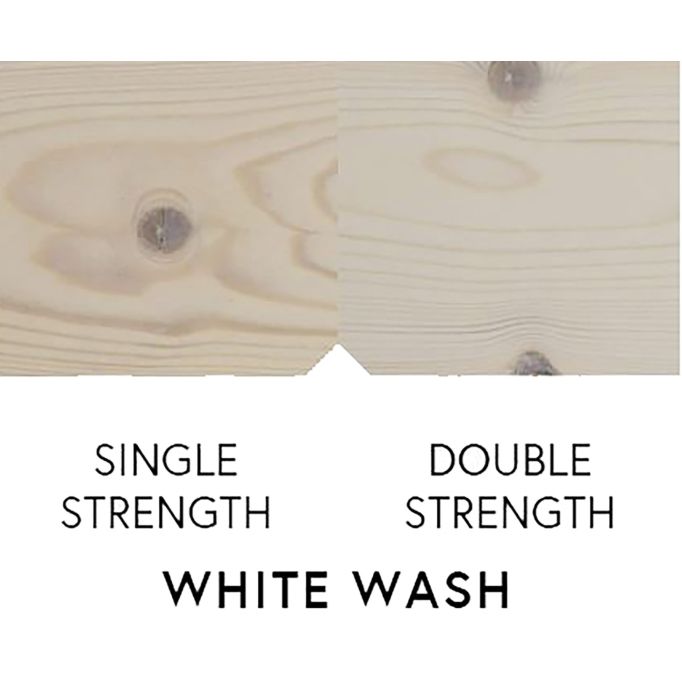
What to Expect From a Colortone Finish
Most wood-care products build up a layer of material on top of the wood. That gives strong color early on, but it’s also what sets up the peeling and flaking that eventually needs to be sanded or stripped off and redone.
CUTEK® takes the opposite approach: color is designed to fade, wear, or erode gradually with time and use rather than peel away in sheets. On new, smooth wood, that first Colortone coat tends to look fairly subtle — it’s enhancing the wood, not layering pigment on top of it. Surfaces that get full weather exposure will lighten faster as they acclimatize. Once that initial weathering has happened, a second coat picks up noticeably more color, since the wood’s surface has opened up and become more receptive to pigment.
Getting More Color Intensity on New Wood
Freshly milled wood is smooth and often carries a mill glaze from the machining process, and both work against pigment adhesion on a first coat. Roughing up the surface first fixes that: run it through CUTEK® Wood Reviver with a pressure washer, or sand it with 80-grit paper to strip the mill glaze and open the grain. Either approach gets you meaningfully better color pickup than coating straight off the mill.
As a general rule, the rougher the surface, the more oil and color it will absorb and the more durable that color will be — which is why rough-sawn or heavily brushed wood profiles can carry a bolder, more saturated color than smooth-planed wood. How much mill glaze is present in the first place varies by wood species density and the milling method used, so results differ project to project.
If you do sand before coating, vacuum or wash the surface thoroughly afterward to clear away loose wood fiber and dust before applying any CUTEK® product.


